Event Technology: Core Systems, Infrastructure, and How They Work Together
7 minute read
Table of Contents
What is Event Technology?
Lead Capture Software
Digital Displays
Audio Visual (AV) Technology
AI and Behavioral Analytics
Where Does Event Infrastructure Fit into the Picture?
Overcoming Event Challenges
Choose an Event Technology Partner With an Impressive Portfolio
Event planning has evolved, and nowhere is that more evident than in the tech industry. Here’s what makes planning events for tech attendees tough: They have high expectations. After all, they work in a leading-edge field, so they’re keenly aware that there’s always a tech answer to any problem. Consequently, when they attend in-person corporate events like conferences, summits, and conventions, they expect to be educated, entertained, and inspired.
That can sound (and feel) like a tall order, especially if you’re new to the area of planning events for the demanding tech professional crowd. However, it’s possible to win over even the toughest of audiences — and achieve high post-experience net promoter scores and objective feedback — by investing time and resources in your event technology elements.
What is Event Technology?
At the highest level, all the technical aspects of your event will fall under the broader category of event technology. From the hardware and software you use for check-in to the systems and infrastructure that improve the design and attendee flow, many event elements rely upon event technology solutions.
In an ideal world, all event technology solutions should work seamlessly. The way to make that happen is to be deliberate when it comes to mapping out all the tech-related pieces of your event. That way, you can more easily connect those pieces together to create a completely unified and intuitive experience.
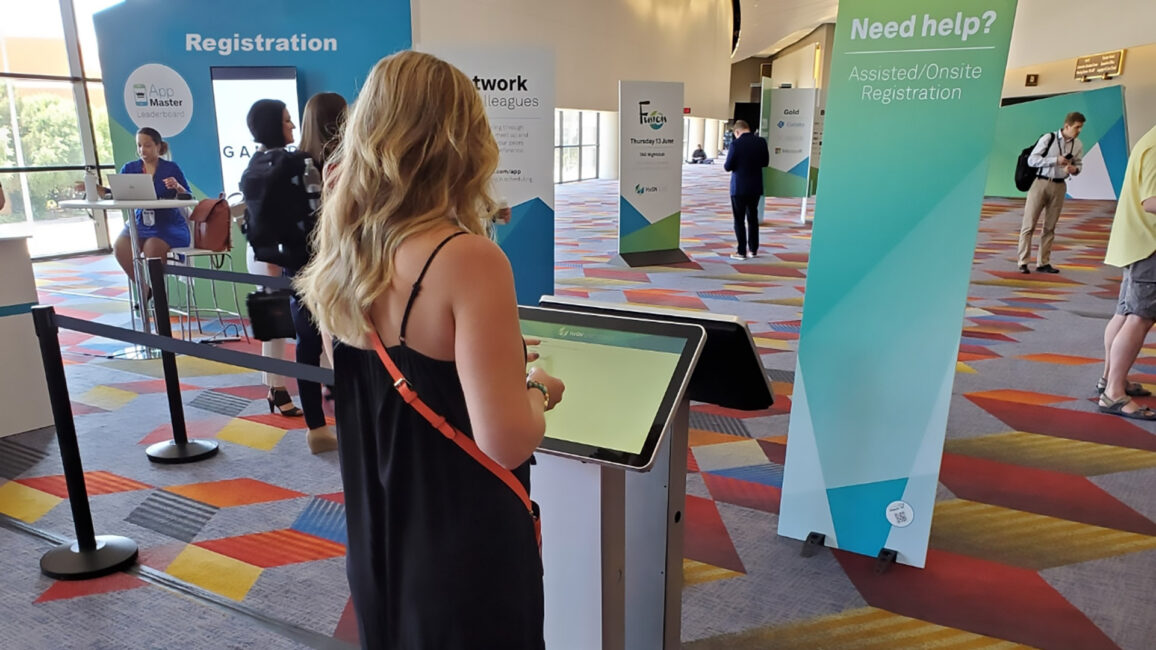
For example, let’s say you want to be able to print badges on demand as attendees arrive. Your event technology should include dynamic event management software that’s capable of capturing all event registration data and then retrieving it later without making the attendee do any extra work. But that’s not all, because you could then embed each badge with a chip that allows access to different areas at your event. (In other words, you can bypass the need for humans to monitor entryways.)
Attaining that kind of airtight unification between all the tech solutions at your event requires you to gain a working knowledge of some of the more commonly used core event technologies available today. Here are the core technologies to consider, as well as tips on how to make the most of them for the benefit of your event.
Lead Capture Software
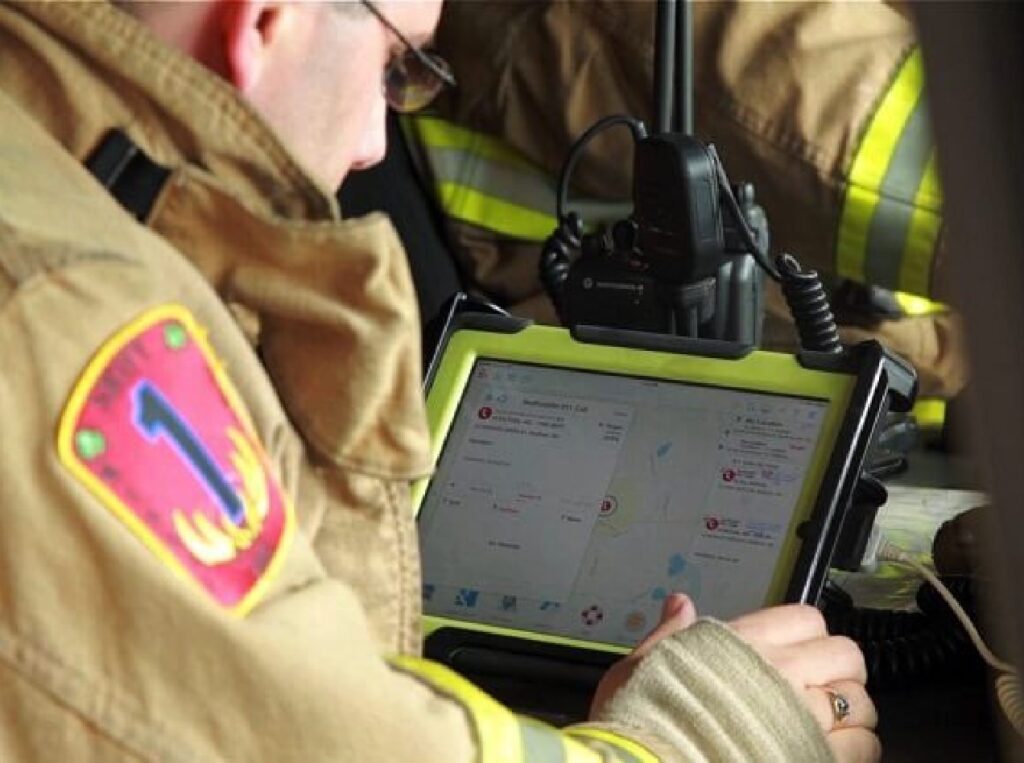
As mentioned, having a single software platform that’s capable of becoming a repository of all inputted attendee information makes life easier for you and your event participants. Lead retrieval systems enable exhibitors and sponsors to quickly scan attendee badges, collect contact information, and track engagement throughout your event. Ideally, you can use those inputs for a wide variety of purposes, including the pre-population of an attendee’s key information in an exclusive event app.
Pro Tip: Think pragmatically about what attendee information you want to gather when creating your registration intake form. You don’t want to exhaust attendees by asking too many questions, but you don’t want to only get the bare minimum of information about them. The more thoughtful your initial registration form is, the more data you’ll have for later.
Digital Displays
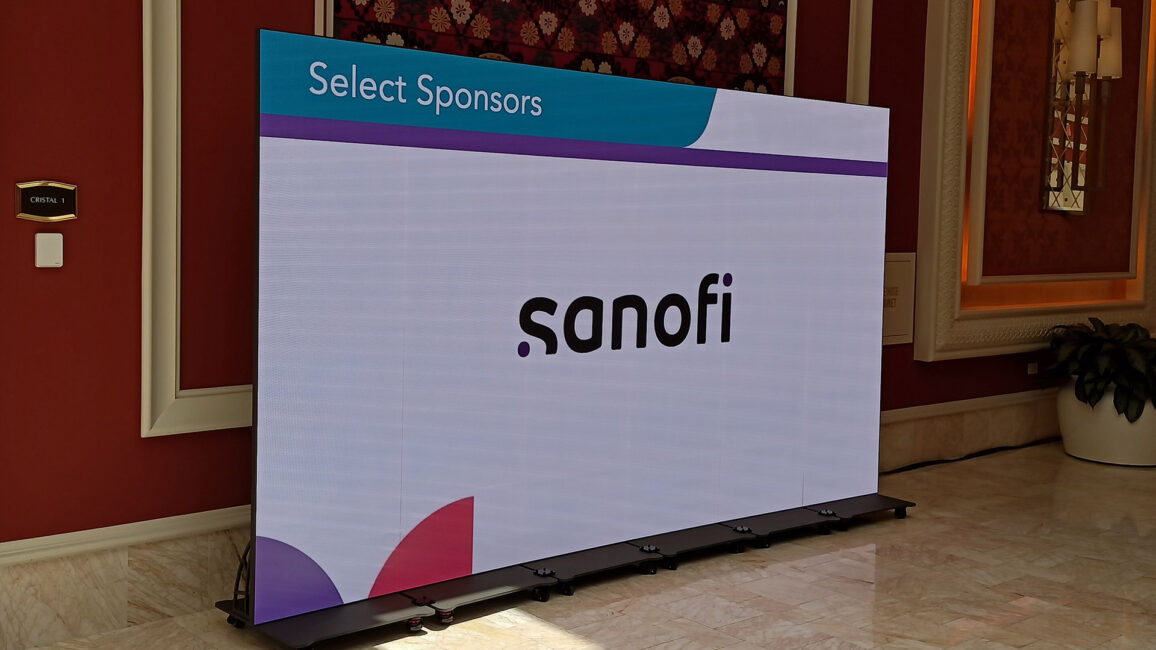
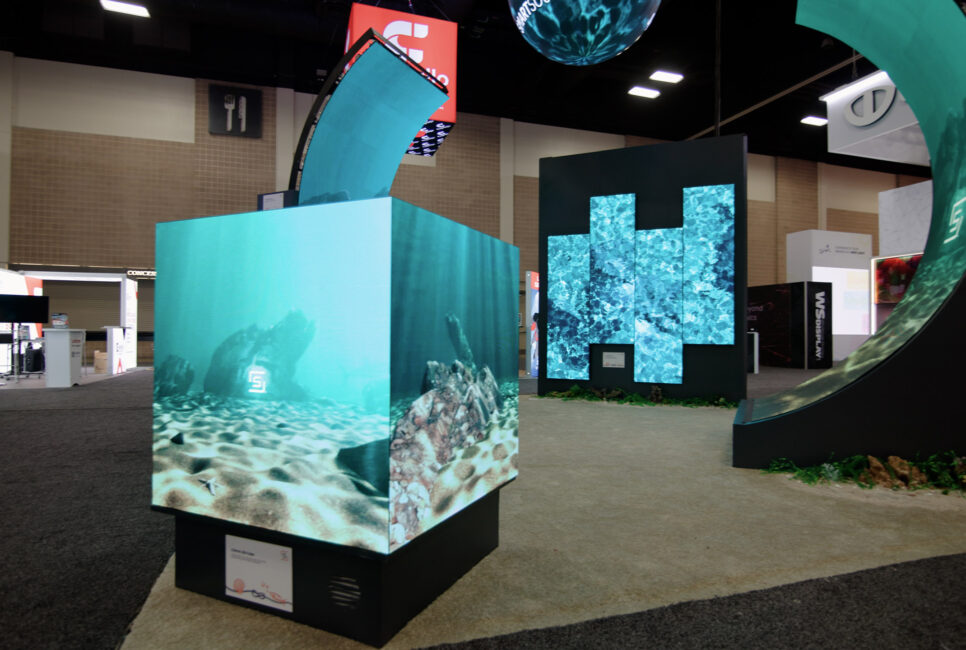
Most people deal with dozens of digital interfaces throughout their days. They’re accustomed to seeing screens, looking at mobile event apps, and engaging with interactive kiosks. Event technology like digital signage allows you to capitalize on modern digitalization.
Pro Tip: Think beyond using digital signs to display content. Instead, look for ways to incorporate engagement with participants in exciting and novel ways.
Audio Visual (AV) Technology
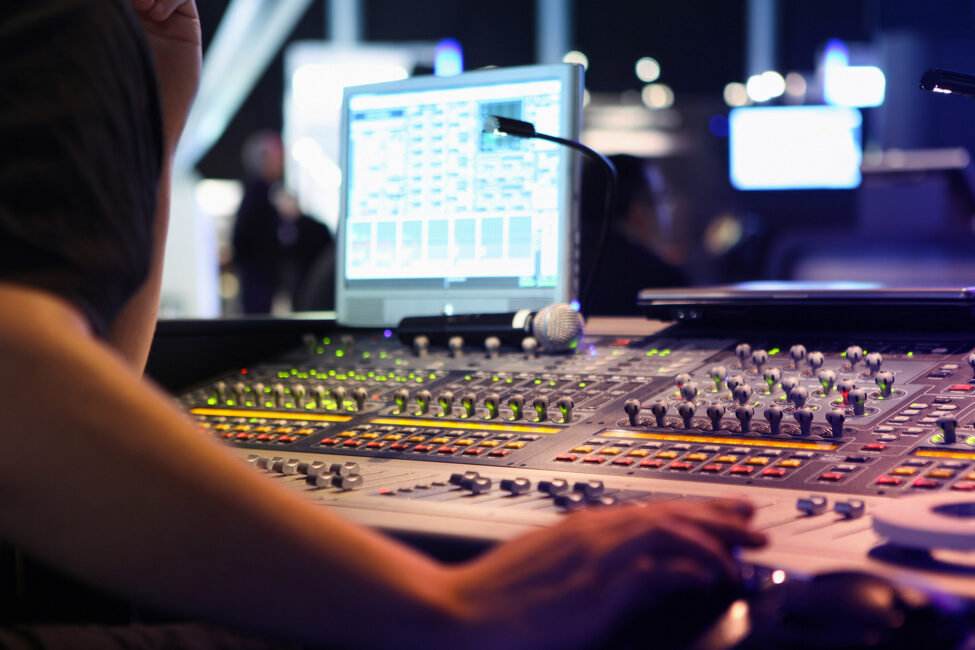
Every space at your meeting or conference needs to have advanced AV. This means that all microphones must work, screen interfaces should show the correct images, and sound levels can be controlled. It’s hard to overstate the importance of positive sensory experiences for an event audience.
Pro Tip: You may need to outsource your AV event technology and production to someone else if you don’t have an internal team member capable of running the AV equipment — or troubleshooting if your event space technology is clunky. Be sure to set aside funding for this essential tech support.
AI and Behavioral Analytics
Many sophisticated technical solutions now use some form of AI as either a driving force or an added feature. For instance, some event software is embedded with AI to determine attendee behavioral analytics. Behavioral analytics tools use AI to track attendee movement patterns, session engagement, booth interactions, and content preferences, giving you actionable insights to optimize future events.
Pro Tip: Generative AI tools may be useful to create workable outlines for the general flow of your event. They can also help you design an event logo or brainstorm a catchy name for your conference or summit.
Where Does Event Infrastructure Fit into the Picture?
Event technology belongs behind the scenes, not just front and center. And it can be a huge part of your event infrastructure, which is the event layer that’s felt but not always seen.
Event infrastructure refers to all those hidden but critical event must-haves, such as power and cable needs, networking capabilities, and more. These aren’t necessarily the most exciting part of the event planning experience, but they matter a great deal. If you’ve ever been to a conference with exhaustingly long lines, broken digital signage, or session delays, you’ve felt the ripples of poor infrastructure planning.
Circumventing infrastructure problems boils down to taking the time upfront to mentally walk through every possible need at your event. After all, your event is your chance to stand out as a tech company event planning team. You owe it to all stakeholders to make sure there’s zero downtime or other interruptions at your event.
In an ideal world, all event technology solutions should work seamlessly. The way to make that happen is to be deliberate when it comes to mapping out all the tech-related pieces of your event. That way, you can more easily connect those pieces together to create a completely unified and intuitive experience.
Overcoming Event Challenges
Beyond adopting the latest tech solutions and designing your event infrastructure, you can improve your next event outcomes by keeping a few realities in mind.
1. Your internal IT team might not have event execution experience.
You could have the most incredible IT team on the planet, but they might still be unfamiliar with event technology platforms, strategies, and other tools. Ask right away about their comfort with handling AV production and other tech realities before you assume that they can just do it all.
2. Your preferred venue will drive the limitations of your event technology aspirations.
When you’re first ideating, you might come up with amazing event ideas that demand the use of advanced technologies. It’s wonderful to dream big, but make sure your spaces are capable of meeting your corporate events’ technological expectations. That way, you won’t have to make changes midstream. Plus, you won’t set a too-high expectation (that your executive team will expect to happen), only to have it crumble.
3. Your success may seem costly, but it’s less pricey than failure.
When you first look at the costs associated with having the technical systems you need at your next event, you might feel quite a budget pinch. However, always remember that scrimping is more expensive than paying upfront for the technology tools, equipment, software, systems, and partners that will make your event go smoothly.
Choose an Event Technology Partner With an Impressive Portfolio
According to statistics from Allied Market Research, corporate events are growing in demand. By 2032, the event space will be worth more than one trillion USD. To make sure you snag the biggest possible piece of that pie, you need to get creative with your event technology, as well as bring in partners who can flawlessly execute your vision.
At SmartSource, we’re skilled at supporting tech industry event planners so their showstopping visions come to fruition flawlessly. Known for providing consistent, customized service and superior onsite support, we want to be your strategic partner, not a one-time vendor.
Even if you’re just in the early planning stages of your next big event, contact our team. We can guide you through the logistics of integrating technology into your corporate meeting or conference to boost your attendees’ overall experience and ensure that they come back.