5 Signals That Are Changing How Attendees Experience Events (And the Tech That Has to Keep Up)
9 minute read
Table of Contents
SIGNAL 1: ATTENDEES WANT TO MOVE THROUGH CONTENT, NOT SIT THROUGH IT
What this means for your event tech:
SIGNAL 2: THE ROOM ITSELF HAS TO DO SOME OF THE WORK
What this means for your event tech:
SIGNAL 3: YOUR ATTENDEES ARE THE MEDIA. YOUR EVENT IS THE SET.
What this means for your event tech:
SIGNAL 4: HYBRID IS NOT A BACKUP PLAN. IT IS THE STANDARD.
What this means for your event tech:
SIGNAL 5: WHEN THE TECH FAILS, THE TRUST FAILS WITH IT
What this means for your event tech:
THE ATTENDEE HAS CHANGED. YOUR EVENT HAS TO KEEP UP.
FREQUENTLY ASKED QUESTIONS
You spent months planning this event. The venue is locked, the agenda is airtight, the speakers are confirmed. And then attendees walk in, glance around, and within 20 minutes half of them are on their phones, half-checked out, waiting for something to actually grab them.
That is not a content problem. That is not a speaker problem. That is a signals problem.
Attendee behavior has shifted hard and most event programs have not caught up. The expectations walking through the door today are completely different from what they were even three years ago. People want to be inside the experience, not watching it from a conference room chair. They want to feel it, move through it, share it, and leave with something that stuck.
Here are five real shifts happening right now, what they mean for your events, and the tech that has to be in place to deliver on them.
SIGNAL 1: ATTENDEES WANT TO MOVE THROUGH CONTENT, NOT SIT THROUGH IT
The room full of people staring at one screen for 45 minutes is not working the way it used to. Not because attention spans are shorter, but because people now know what it feels like to move through an experience at their own pace. They do it online every single day.
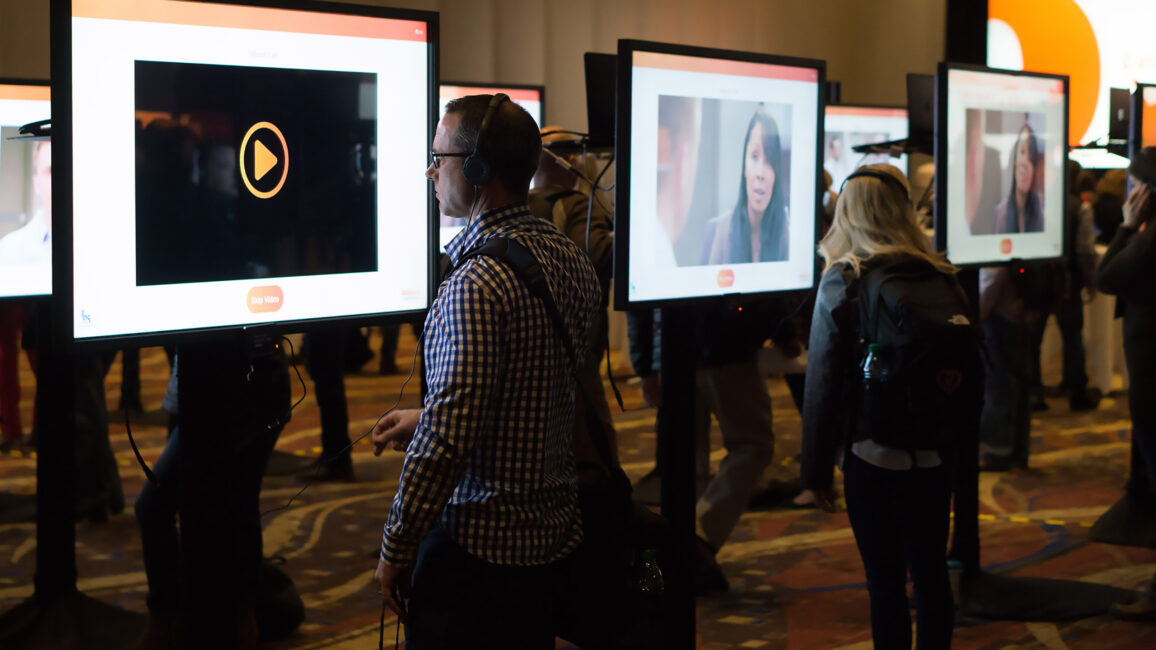
They want content stations. They want moments they can drop into and leave. They want to choose what they engage with instead of being a captive audience handed a single feed.
What this means for your event tech:
Multiple display zones with content running in loops that work without audio
Digital signage that guides people through the space, not just announces the schedule
Kiosks and interactive screens that let attendees pull information rather than wait for it
If your AV setup is still designed around one big screen and a podium, you are building for an audience that has moved on. The tech has to support movement because the attendee is already moving.
SIGNAL 2: THE ROOM ITSELF HAS TO DO SOME OF THE WORK
Walk into a well-designed retail space or hotel lobby today, and the environment is communicating something. It is directing you, creating a mood, making you feel a certain way. Event attendees now expect that same intentionality from the spaces they spend full days in.
When the room feels flat and generic, people notice immediately, even if they cannot name why. When the tech blends in and the environment just works, people relax, and they engage more deeply with everything around them.
What this means for your event tech:
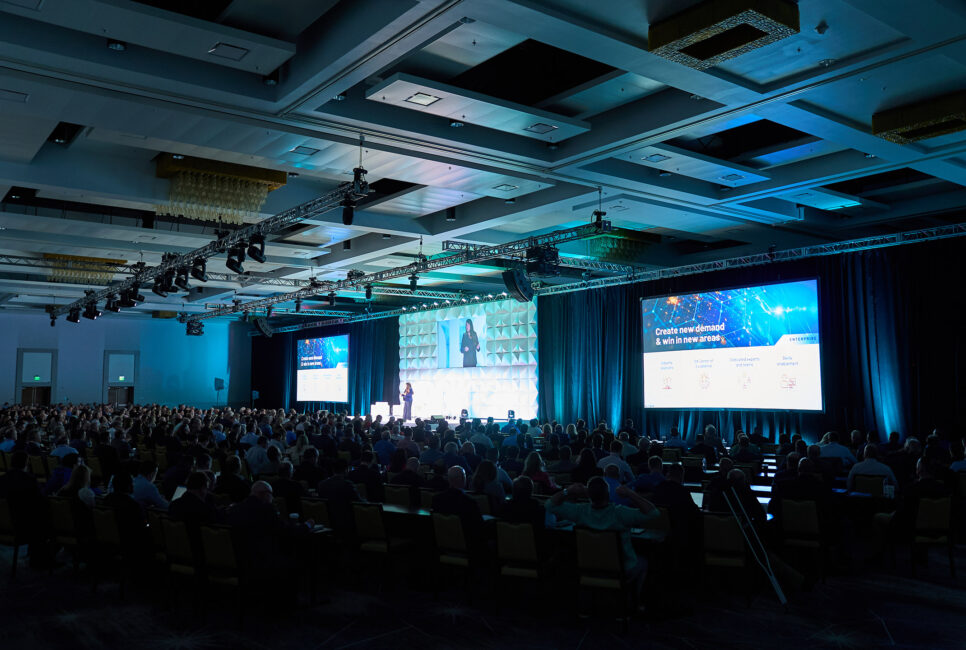
LED walls and dynamic backdrops that shift with the program instead of staying static all day
Lighting is tied to session transitions so the room physically changes feel between keynote and breakout
Wayfinding and digital signage that actually helps people, not just decorates the walls
The best event tech is the tech nobody has to think about. When it works, the room feels alive. When it does not, the room feels like a conference center from a decade ago, and your brand takes the hit.
SIGNAL 3: YOUR ATTENDEES ARE THE MEDIA. YOUR EVENT IS THE SET.
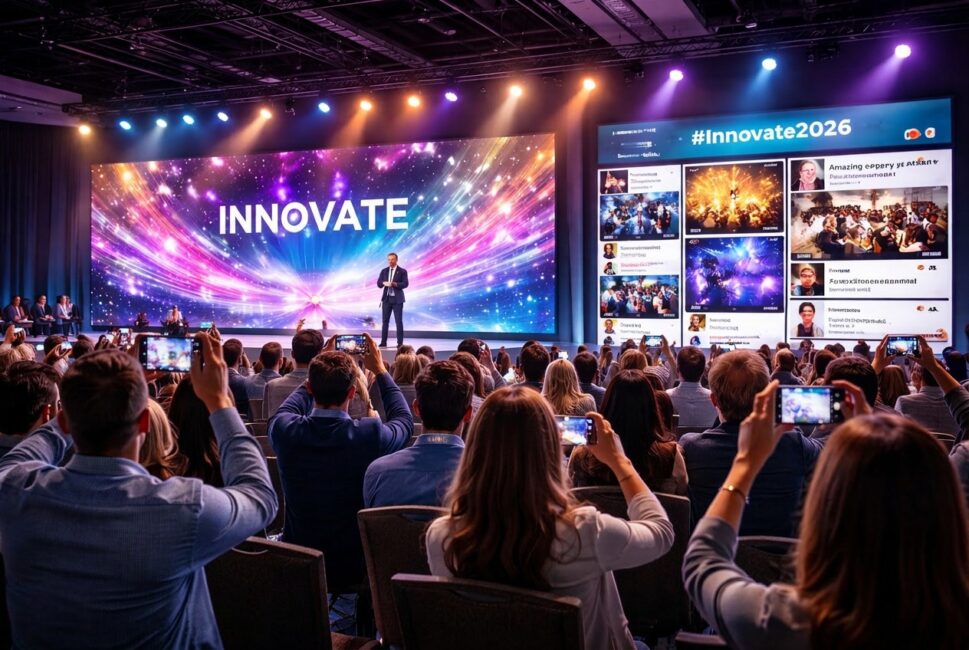
Every phone in that room is a camera and a broadcast device. What attendees capture and share during your event is shaping the perception of your brand, your speakers, and your company in real time, whether you planned for it or not.
This is not just a marketing consideration. It is an AV and production consideration. If the stage looks flat on a phone screen, if the lighting washes out faces, if there is no moment in the room worth photographing, you are leaving serious reach on the table.
What this means for your event tech:
Stage lighting is designed for both the room and the phone camera, because they are not the same thing
At least one dedicated shareable moment is built into the physical layout with clean light and a strong visual backdrop
Live social walls or content feeds that make sharing feel like part of the experience
The attendee who posts three times during your event is doing your marketing for free. Give them something worth posting. If you do not design for it, you are leaving it to chance.
The best event tech is the tech nobody has to think about. When it works, the room feels alive. When it does not, the room feels like a conference center from a decade ago, and your brand takes the hit.
SIGNAL 4: HYBRID IS NOT A BACKUP PLAN. IT IS THE STANDARD.
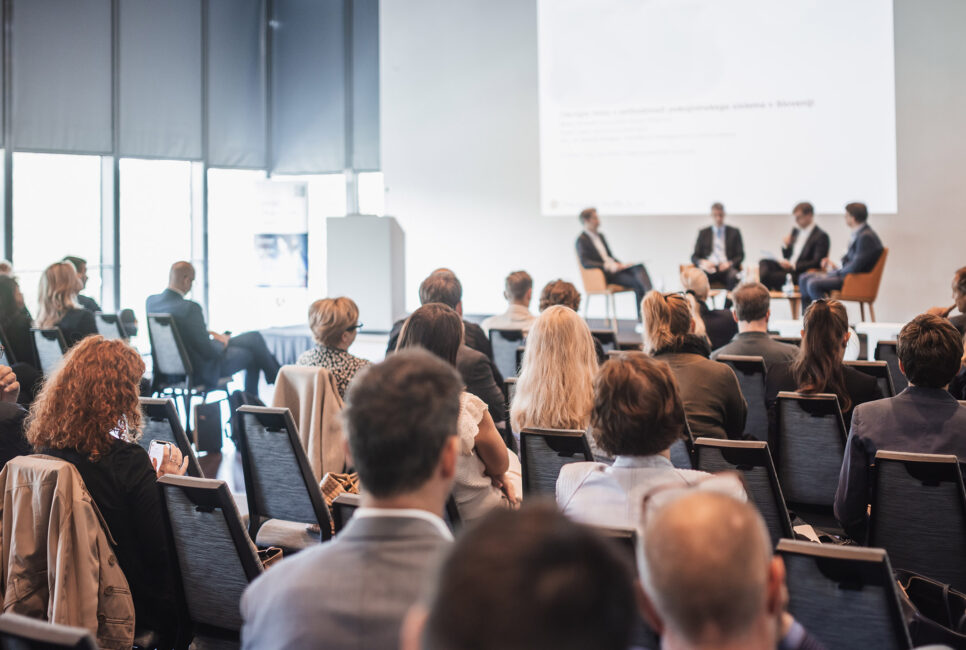
Even when 90 percent of your attendees are in the room, someone important is watching on a laptop. An executive. A key client. A speaker whose flight got cancelled at the last minute. The remote experience used to be an afterthought. Now it is a direct signal of how much you respect the people who could not be there.
A choppy stream, bad audio, or a camera angle that shows the back of the presenter’s head sends a message. That message is: we built this for the room. Everyone else got the scraps.
What this means for your event tech:
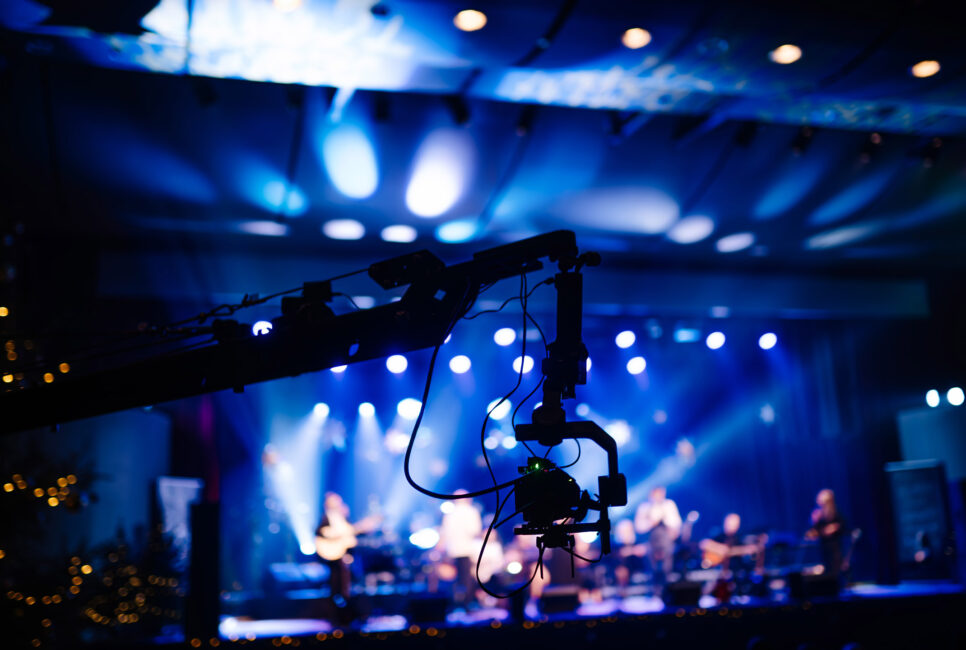
Camera placement that centers the speaker, not the audience or the ceiling
Audio that captures clean speech, no matter where the presenter is moving on stage
A stream that does not require the remote attendee to troubleshoot just to stay connected
Hybrid done right is not more expensive than hybrid done poorly. It is a planning conversation that happens weeks before the event, not a scramble at 7 am on show day.
SIGNAL 5: WHEN THE TECH FAILS, THE TRUST FAILS WITH IT
Every time a microphone cuts out, a presentation freezes, a display shows the wrong content, or the general session starts 15 minutes late because something is not connecting, your attendees update their file on you. And not in a good direction.
Event planners carry this weight in a way that is not fair but is completely real. When the tech fails, the room does not blame the AV company. It blames the person who planned the event. You.
What this means for your event tech:
Redundant systems for anything mission critical: backup mics, backup playback, backup connectivity
On-site support that is in the room or steps away, not available by phone from a warehouse across town
A team that has seen failure before knows how to fix it fast and does not make it a visible scene
The best AV partner thinks about what could go wrong before you do and already has a plan for it. That is not a luxury. That is the minimum for any event you actually care about.
THE ATTENDEE HAS CHANGED. YOUR EVENT HAS TO KEEP UP.
None of these signals are new. But the gap between what attendees now expect and what most events are delivering keeps getting wider. The planners closing that gap are not always spending more money. They are thinking differently about the tech and making sure the right people are behind it.
The tech does not have to be complicated. It has to be intentional, well-executed, and backed by people who speak your language and show up when it counts. That is what separates an event people remember from one they forget before they hit the parking lot.
If you are building your event program and want to pressure-test your setup against where attendees actually are today, that conversation is worth having now, before you lock in your vendor list.
What technology do event planners need for immersive attendee experiences? Event planners building immersive attendee experiences typically need a combination of dynamic LED or digital display systems, responsive lighting, interactive kiosks or content stations, clean audio capture for hybrid delivery, and on-site technical support. The specific mix depends on event size, format, and audience expectations, but the consistent factor is tech that works without the attendee having to think about it.
How has attendee behavior changed at corporate events and conferences? Attendees at corporate events and conferences now expect to move through content rather than sit passively, share moments in real time on social media, and have a seamless experience whether they are in the room or joining remotely. Expectations around production quality, wayfinding, and tech reliability have all risen significantly since 2020.
What does “invisible” event tech mean? Invisible event tech refers to technology that performs its function without drawing attention to itself or requiring attendees to troubleshoot it. When the AV, lighting, streaming, and signage all work seamlessly, attendees stay focused on the content and experience. When tech becomes visible, it is usually because something has gone wrong.
What should event planners look for in an AV and event technology partner? Event planners should look for a partner that communicates in plain language rather than technical jargon, has on-site support during the event and not just during setup, understands the specific type of event and audience, and has built-in redundancy for critical systems. The right partner makes the planner look good when everything goes right and fixes problems fast when something does not.
About SmartSource SmartSource provides technology, AV, and event production equipment and support for corporate events, user conferences, trade shows, and brand activations. With decades of on-site experience and a team that speaks event planner rather than IT, SmartSource helps event professionals deliver experiences that land without the technical headache.