The event that runs clean is doing your marketing.
A BOOTH HAS A JOURNEY. MOST PEOPLE SKIP THE DESIGN.
THE TECH IN YOUR BOOTH IS EITHER WORKING FOR YOU OR AGAINST YOU
THE SHAREABLE MOMENT YOUR BOOTH NEEDS
When someone posts from your booth, they are doing three things at once:
WHAT YOUR TEAM NEEDS TO BE ABLE TO DO WITHOUT THINKING
YOUR NEXT SHOW BOOTH IS A PRODUCTION, AND IT REQUIRES A PLAN
Booth-to-Event Planning Worksheet
FREQUENTLY ASKED QUESTIONS
What is the difference between a trade show booth that generates leads and one that does not?
How long does it take an attendee to decide whether to stop at a trade show booth?
What is the difference between a vendor relationship and an AV partnership?
What technology should a tech company include in their trade show booth?
How do I brief my team before a trade show so the booth performs?
ABOUT SMARTSOURCE
You spent real budget to be at this show. The exhibit fee. The booth build. The flights and hotels. The branded swag. And then you set it all up, open the doors, and wait for people to wander over.
Here is the thing nobody says out loud: Most booths do not actually work.
They exist. They take up floor space. They give your team somewhere to stand. But they do not create an experience. They do not move someone from curious to genuinely interested. They do not leave a trace.
What is the difference between a booth that generates pipeline and one that burns budget? The ones that work are run like events. They have a beginning, a middle, and an end. They are designed for the person walking in, not the person manning it.
THE VISITOR DECIDES IN ABOUT EIGHT SECONDS
Walk a trade show floor as an attendee, and you will feel exactly what your visitors feel. There is noise. There is visual overload. There is a mental calculation happening constantly:
Is this worth my next ten minutes or do I keep walking?
The booths that stop people are the ones that feel like something.
There is movement.
There is a clear reason to step inside.
There is a visual moment that registers even at a distance.
The booths that get walked past are the ones that look like furniture: professional, inoffensive, invisible.
You’ve got eight seconds.
Eight seconds is not enough time to explain your product. It is only enough time to answer one question in the visitor’s head:
Is there something here for me?
Your booth must answer that before anyone speaks.
The event that runs clean is doing your marketing.
Every executive who stays focused on the content instead of wondering what went wrong is a VP who will remember your name when budget season comes around.
A BOOTH HAS A JOURNEY. MOST PEOPLE SKIP THE DESIGN.
Think about the last conference or product launch your team ran. You planned the walk-in moment. You designed the general session with the audience experience in mind. You knew how people would move through the day and what you wanted them to feel at each stage.
Your booth deserves the same thinking:
There is an entry point: what someone sees and feels the second they cross into your space.
There is a middle: what they do, what they touch, what conversation happens.
And there is an exit: what they leave with, not just physically but in terms of what they now know or believe about you.
Most booths are designed for the middle only. The team is briefed on the pitch.
The product demo is ready.
The table is set up.
But nobody thought about the walk-in moment, and nobody designed the walkout.
The result is that visitors wander in, half-engage, and leave with a business card and no clear next step.
THE TECH IN YOUR BOOTH IS EITHER WORKING FOR YOU OR AGAINST YOU
A screen playing a looping brand video that nobody is watching.
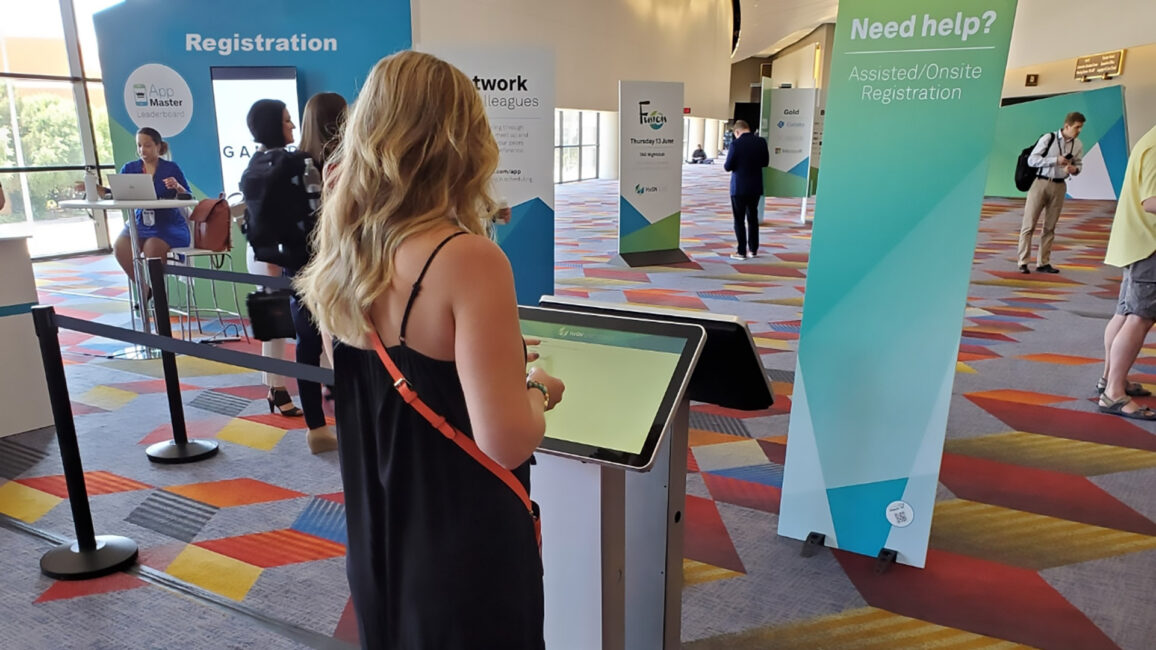
A kiosk that requires a team member to explain how to use it.
A demo station that looks impressive but crashes under pressure.
Audio that bleeds into the neighboring booth and annoys everyone, including your own team.
You have seen this firsthand, right?
Bad tech in a booth does not just fail. It communicates something. It tells the visitor that your company did not think through the details. And for a tech company trying to earn trust from an event planner who is already skeptical about whether you can execute, that is a significant problem.
The right tech does a specific job: it draws people in, it facilitates the conversation you want to have, and it makes your team look like they know exactly what they are doing.
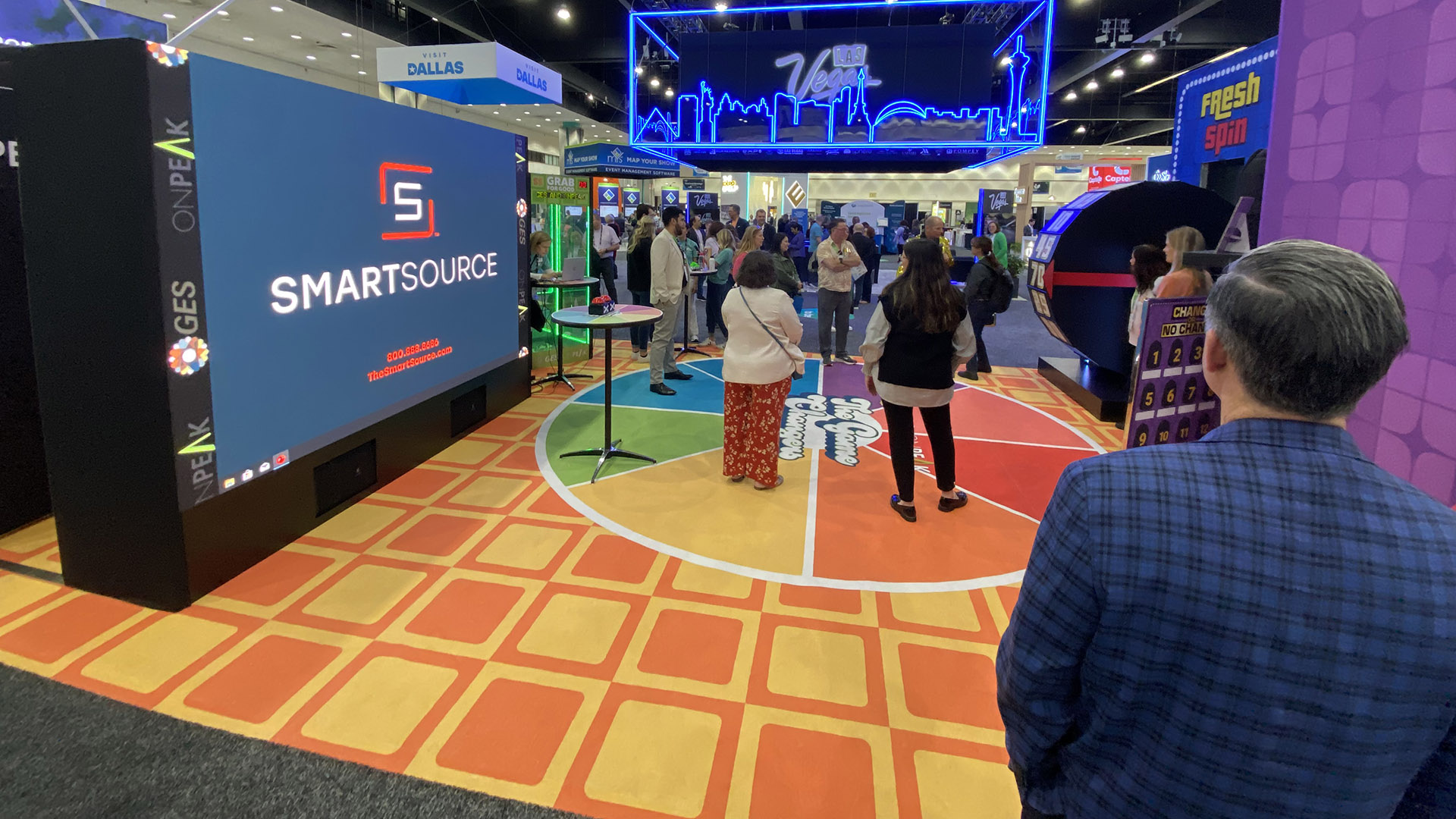
A well-placed LED display that responds to traffic.
A touchscreen product demo that a visitor can drive themselves.
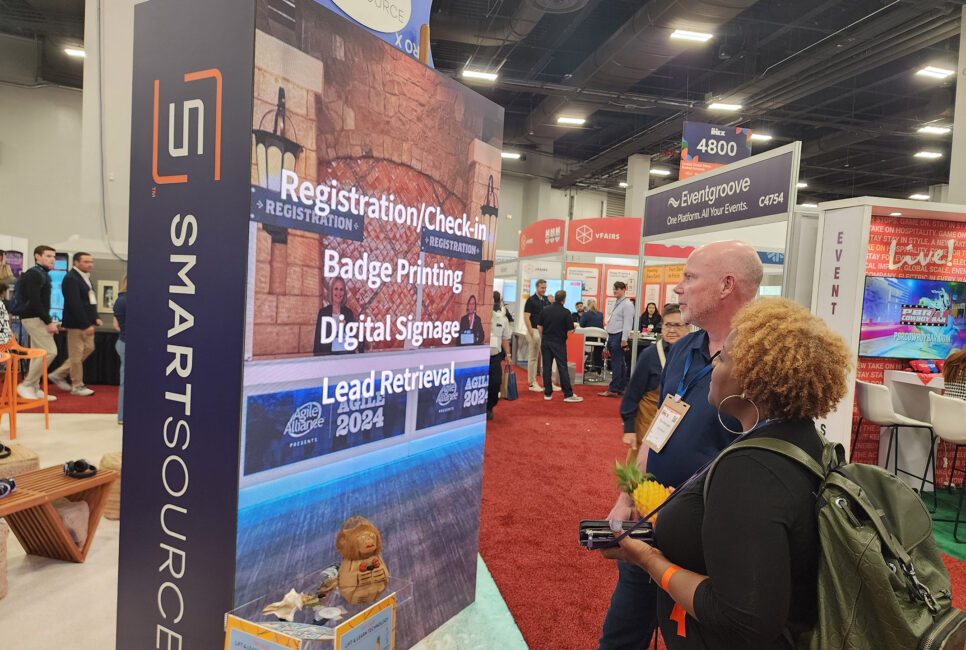
Clear digital signage that tells people exactly what they will get if they step inside.
The question to ask before your next show is not, “What tech do we have?”
Rather, “What is each piece of tech doing for the visitor right now?”
If you cannot answer that for every element in the space, it is taking up room without earning it.
THE SHAREABLE MOMENT YOUR BOOTH NEEDS
Every phone on that show floor is a broadcast device. The people at your booth are not just visitors. They are potential organic reach, if you give them something worth capturing.
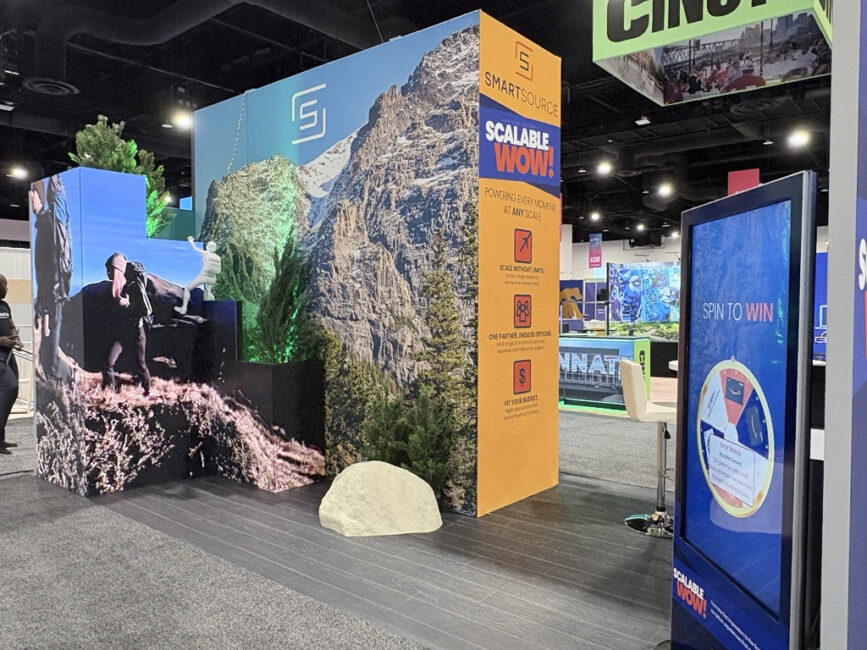
This is not about gimmicks. It is about designing one moment in your booth that is genuinely worth a photo or a quick video. A visual that is bold enough to register on a small screen. A backdrop with real production value behind it. An interactive element that is fun to engage with and share.
When someone posts from your booth, they are doing three things at once:
Reinforcing their own presence at the show
Telling their network that something worth seeing is happening
Putting your brand in front of an audience you did not pay to reach
That is a multiplier that most booth budgets completely ignore.
WHAT YOUR TEAM NEEDS TO BE ABLE TO DO WITHOUT THINKING
The best booth design falls apart if the team running it is unprepared or buried in logistics. Three days on your feet is exhausting. By day two, even the sharpest people start to coast. And the visitors arriving on day two are not of lower quality than those on day one.
Your team needs to know the journey. They need to know how to draw someone in from across the aisle, how to read a visitor’s level of interest in the first thirty seconds, and how to get to the exit moment, whether that is a booked meeting, a downloaded resource, or a qualified conversation, without it feeling like a close.
That takes preparation. It also takes a setup where the tech is reliable, the space is organized for flow rather than showcase; and nothing requires a troubleshooting conversation in the middle of a demo.
YOUR NEXT SHOW BOOTH IS A PRODUCTION, AND IT REQUIRES A PLAN
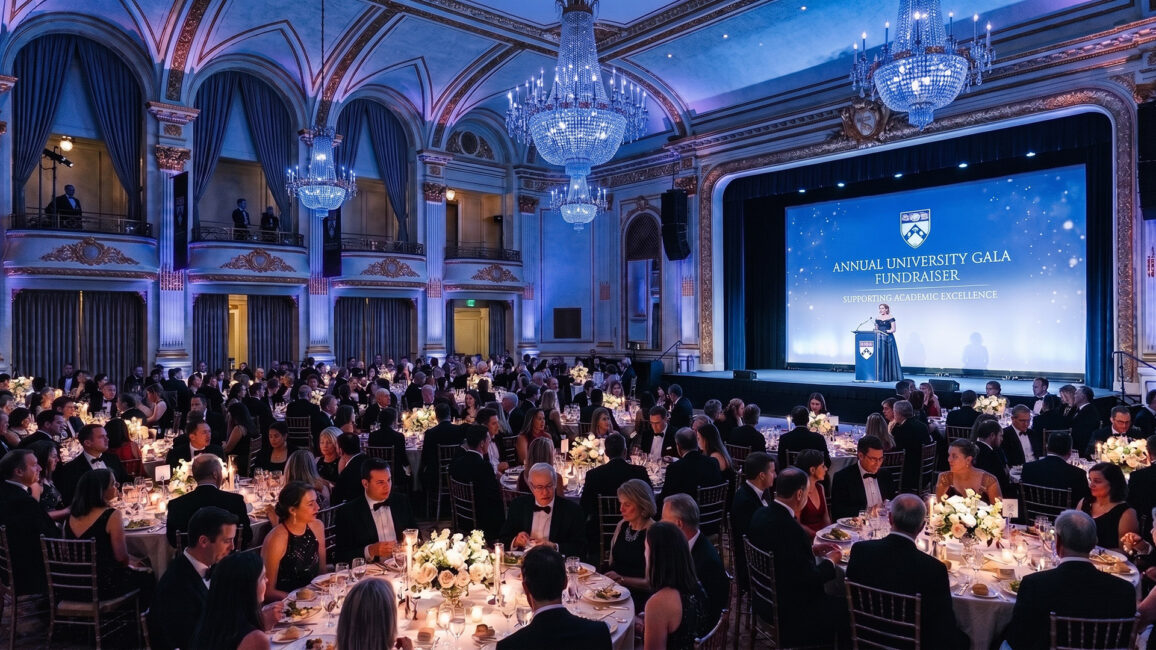
The companies getting the most out of their trade show presence are not necessarily the ones with the biggest booths or the largest budgets. They are the ones who thought about the experience the way they think about their own events: with intention, with a clear audience in mind, and with technology that supports the experience instead of just filling the space.
If your booth is going to earn its place on that floor, it has to work like an event. That means a real entry moment, a journey designed for the visitor, technology that earns its spot, and a team that knows exactly how to move someone through it.
Check out the worksheet below, which will help you plan that experience before your next show.
Share with your event team.
This is not a checklist of things to bring, but a planning tool for the experience you are trying to create.
What is the difference between a trade show booth that generates leads and one that does not?
The booths that generate leads are designed around the visitor, not the exhibitor.
They have a clear entry moment that stops people, a journey that moves someone from curious to engaged, and an exit point with a concrete next step. Booths that do not convert tend to be designed around the team: where to stand, what to say, what to display. The visitor experience is an afterthought rather than the starting point.
How long does it take an attendee to decide whether to stop at a trade show booth?
Ask them to name the specific person who will be in your general session room on show day and describe the last three events they ran that were similar to yours. A partner who answers immediately has done this. A partner who redirects to the company’s general track record has not answered the question.
What is the difference between a vendor relationship and an AV partnership?
About eight seconds. That is the window between someone seeing your booth at a distance and deciding whether to keep walking or cross into your space. In that time, they are not reading your copy or absorbing your product message. They are feeling something: whether the space looks interesting, whether there is energy or movement, whether there seems to be something in it for them. The visual and tech setup has to do the work before any conversation starts.
What technology should a tech company include in their trade show booth?
The technology in your booth should have a specific job for the visitor, not just for the brand. A large LED display or dynamic digital backdrop draws attention from a distance and sets the visual tone. An interactive touchscreen or self-serve demo lets visitors engage on their own terms without waiting for a team member. Clear digital signage tells people exactly what they will get if they step inside. And whatever you use, it needs to be reliable enough that your team is never troubleshooting in front of a prospect. The rule is simple: if a piece of tech does not do something for the attendee, it is taking up space.
How do I brief my team before a trade show so the booth performs?
Brief them on the journey, not just the pitch. Every person working the booth should know the entry moment and how to draw someone in from the aisle, how to qualify interest in the first sixty seconds without it feeling like an interrogation, where to take a deeper conversation so it does not happen in the middle of the floor, and what the exit looks like, whether it’s scheduling a future meeting, a badge scan or a specific resource handed off. The team brief is also where you cover the tech: everyone should be comfortable with every element in the space, so no one is visibly confused by their own booth setup in front of a visitor.
ABOUT SMARTSOURCE
SmartSource provides technology, AV, and event production equipment and support for corporate events, user conferences, trade shows, and brand activations. With decades of onsite experience and a team that speaks event planner rather than just IT, SmartSource helps event professionals deliver experiences that land without the technical headache.