Immersive Product Launches Without Regulatory Headaches
8 minute read
Table of Contents
IMMERSIVE EXPERIENCES DOESN’T MEAN RISKY
WHAT IS THE TYPICAL TECHNOLOGY STACK FOR COMPLIANT IMMERSIVE LAUNCHES?
AV Systems: Creating Visual Impact with Content Control
IT Infrastructure: Locking Down Content Before It Hits the Screen
Registration and Tracking: Building the Audit Trail Automatically
INTEGRATION IS WHERE COMPLIANCE ACTUALLY HAPPENS
WHAT DOES AN IMMERSIVE LAUNCH ACTUALLY LOOK LIKE IN PRACTICE?
WHAT ARE THE QUESTIONS TO ASK YOUR TECHNOLOGY PARTNERS?
Here’s what to address with your AV, IT, and registration partners:
Product launches for pharma and medical device companies are getting more ambitious. Multi-screen demos. Live product interactions. Hybrid experiences that bring remote clinicians into the room.
The creative team wants to wow the audience. Medical affairs want strict content control, and compliance needs a complete audit trail. These goals don’t have to conflict. When you design your event technology stack with regulatory requirements baked in from the start, you can deliver immersive experiences that feel seamless to attendees and look straightforward to auditors.
Here’s an overview of the technology available for pharma and med-device teams who want to bring launches to life while staying within regulatory guardrails.
IMMERSIVE EXPERIENCES DOESN’T MEAN RISKY
Before you can design an environment that truly supports complex science, everyone on the team needs to be talking about AV in the same way. The worry is understandable. More moving parts mean more opportunities for something to go off-label or off-script.
But immersive doesn’t mean improvised. It means using technology intentionally to control what appears on screen, who sees it, and how it gets documented. The same AV and IT infrastructure that creates a compelling visual experience can also lock down content, track participation, and generate the compliance records you need.
WHAT IS THE TYPICAL TECHNOLOGY STACK FOR COMPLIANT IMMERSIVE LAUNCHES?
Building an immersive launch within regulatory guardrails starts with understanding which technologies serve which purpose.
AV Systems: Creating Visual Impact with Content Control
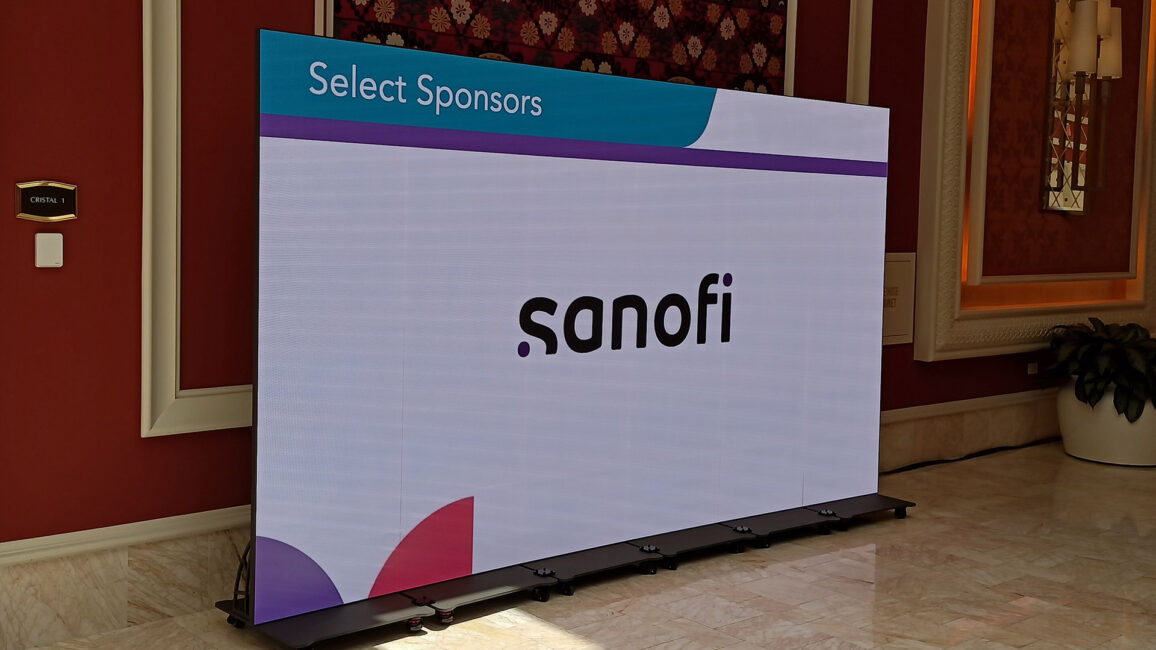
Large-format LED walls make product features visually compelling. Multi-screen configurations let you display clinical data without cramming everything onto one slide. But for regulated launches, the real value sits in what these systems let you control.
Professional AV setups allow you to display required safety information on a dedicated screen that remains visible throughout the presentation. No more flashing it briefly on a single slide. You can route approved video content directly from a locked-down media server so no one’s pulling files from a personal laptop. And you can configure displays so presenter notes and off-label discussion points stay on confidence monitors facing the stage, never visible to the audience.
For general sessions, that might mean a main LED wall for product visuals paired with flanking screens for indication statements and Important Safety Information. For breakout rooms with hands-on device training, it means scaled-down displays and properly configured audio so instructors can demonstrate technique while maintaining clear sightlines to required disclosures.
When AV is designed around compliance from the start, you’re not sacrificing visual impact. You’re using it strategically.
IT Infrastructure: Locking Down Content Before It Hits the Screen
Behind every immersive launch is an IT environment that determines what content can and can’t appear. Pre-imaged presentation laptops ensure only approved software and files are accessible. Network segmentation keeps event systems isolated from personal devices or unapproved internet access. Digital asset management platforms let you version-control slide decks and videos so the content that got through legal and medical review is exactly what appears on stage.
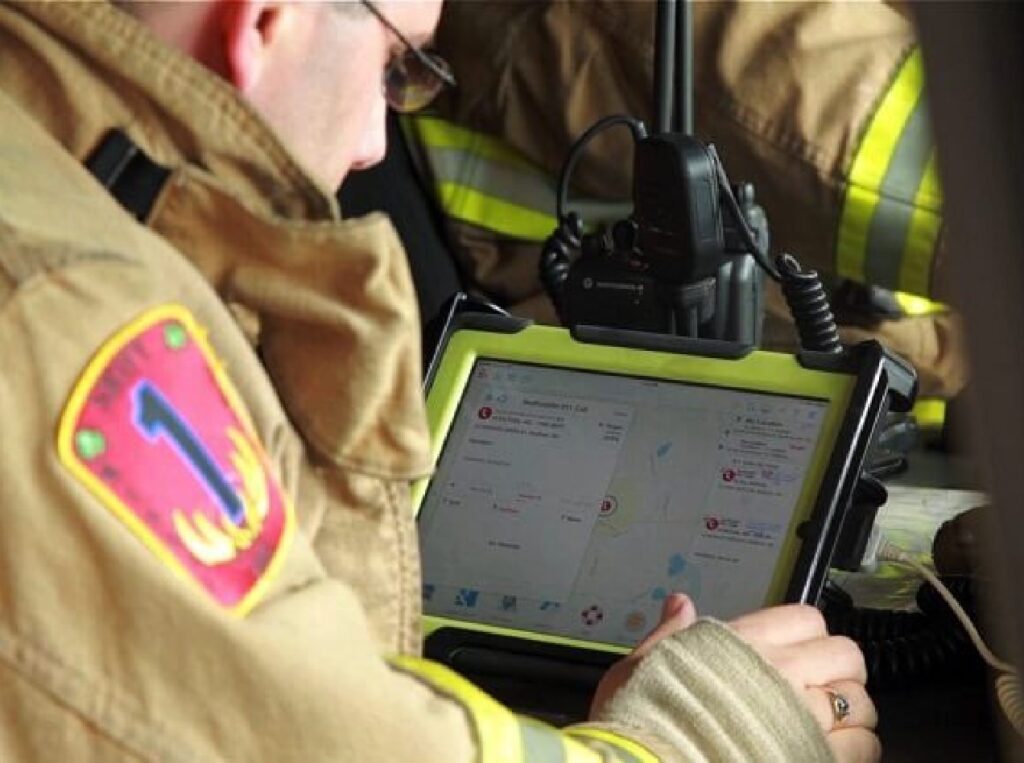
For launches that include live product demonstrations or interactive elements, consider deploying locked-down tablets or kiosks pre-loaded with approved applications. Attendees can explore features, watch technique videos, or interact with dosing calculators, but they can’t navigate unapproved content or access the broader internet.
Configure your IT environments for high-stakes pharma launches by ensuring your AV partner provides adequate 24/7 managed services and security monitoring. If something unexpected happens, remote support can step in immediately without disrupting the event.
Registration and Tracking: Building the Audit Trail Automatically
Immersive experiences at medical conferences have little value if you can’t prove who saw what. Pharma and med-device launches require documentation that goes beyond “Dr. Smith attended the event.” You need session-level tracking, timestamped records, and the ability to cross-reference attendance with CME credits or promotional spend.
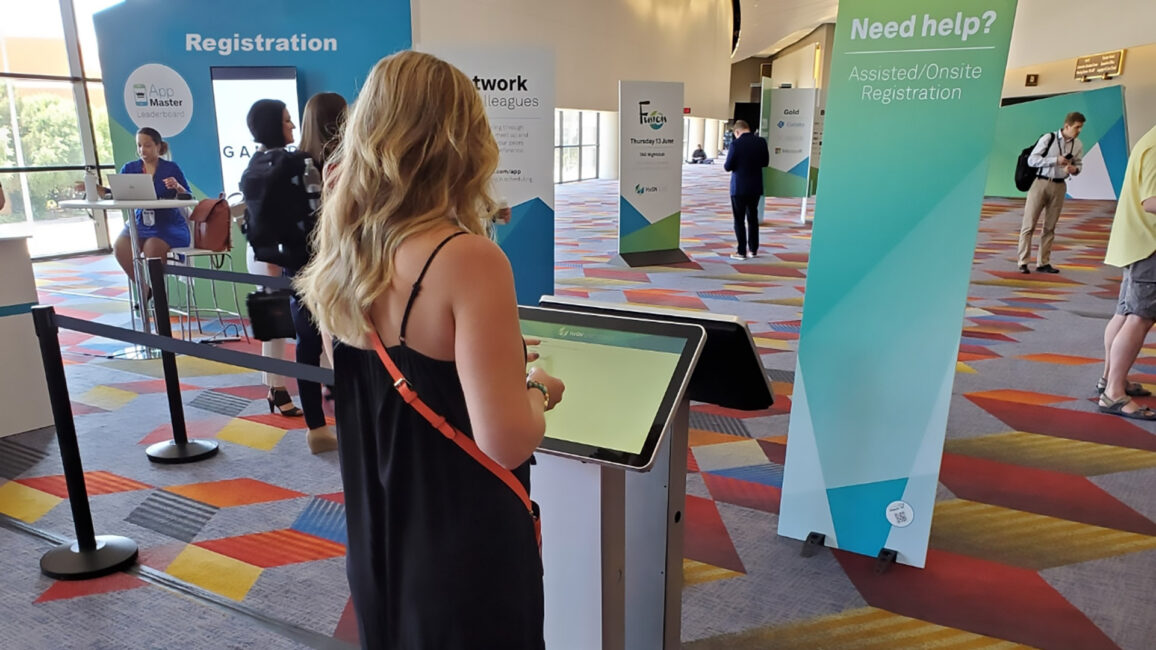
Modern registration platforms capture detailed attendee information during signup using customizable forms. Specialty, practice setting, previous product experience—whatever attributes matter for segmentation or compliance reporting. At check-in, professional badge printing embeds QR codes or RFID chips that turn credentials into tracking tools.
Attendees scan into each session. Now you’re collecting behavioral data: which HCPs attended the mechanism-of-action deep dive versus the practical administration workshop. Who stayed for the full clinical data presentation versus who left early. How many people participated in the hands-on device training.
That granularity matters for both compliance and strategy. Medical affairs get an auditable record of exactly which content each attendee saw. Marketing learns what resonates and what doesn’t. And you can connect event participation to downstream prescribing or adoption patterns if your systems integrate with CRM.
No clipboards. No illegible signatures. No scrambling to reconcile attendance lists three weeks later.
INTEGRATION IS WHERE COMPLIANCE ACTUALLY HAPPENS
Here’s the part most pharma and med-device teams underestimate: compliance doesn’t happen at the technology level. It happens at the integration level.
You can have best-in-class AV, locked-down IT, and sophisticated registration software, but if those systems don’t talk to each other, you still end up with gaps.
The registration platform says Dr. Martinez checked in, but the badge scanner shows she never entered the breakout session. The presentation laptop has the approved deck, but someone pulled the video file from a USB drive backstage. These disconnects create the audit headaches you’re trying to avoid.
Look for technology partners who bring AV, IT, and registration under one operational plan, so every touchpoint connects. Badge scanners should communicate with session tracking systems. Presentation laptops should pull content from centralized, version-controlled repositories. And the registration database needs to feed into your CRM or marketing automation platform, so event participation becomes part of a larger compliance and engagement record.
That integration also standardizes your approach across multiple launches. If you’re introducing a new product in six cities over three months, you can replicate the same AV configuration, IT setup, and tracking workflow at each event. Teams arrive on site knowing exactly what’s been deployed and how it’s configured. And you build a consistent data structure that makes it easier to aggregate results and demonstrate ROI.
WHAT DOES AN IMMERSIVE LAUNCH ACTUALLY LOOK LIKE IN PRACTICE?
So, what does a compliant, immersive pharma launch look like when all of this technology comes together?
Picture a general session where the main LED wall shows a surgeon using your new device in a live case study. A second screen displays real-time clinical outcomes data. A third screen keeps the product’s indication and major safety warnings visible throughout the entire presentation.
The presenter uses a confidence monitor to see upcoming slides and speaker notes without turning away from the audience. Every piece of content came from a pre-approved asset library that medical and legal signed off on weeks ago.
In the breakout rooms, HCPs rotate through hands-on training stations where they practice device technique on anatomical models. Each station has a tablet pre-loaded with step-by-step instructions and technique videos. Attendees scan their badges when they enter the room, and the system timestamps exactly how long they spent at each station. That data flows into the CME tracking platform and generates certificates automatically at the end of the day.
For remote attendees joining via the hybrid component, the streaming platform enforces the same content controls. They see the approved presentations. They can’t screenshot or download materials that weren’t cleared for distribution. And their participation gets logged in the same system as the in-person audience.
This scenario isn’t hypothetical. It’s the kind of launch happening regularly across the pharma and med-device industry when teams prioritize integrated technology from the planning stage.
WHAT ARE THE QUESTIONS TO ASK YOUR TECHNOLOGY PARTNERS?
If you’re planning a pharma or med-device launch and want to incorporate immersive elements without adding regulatory risk, start the technology conversation early.
Here’s what to address with your AV, IT, and registration partners:
Content control requirements. Which materials need version control? What needs to stay visible at all times? Where do presenter notes versus audience-facing content need to be separated?
Tracking and documentation needs. What level of session-level tracking do you need? How does attendance data flow into CME platforms or CRM systems? What reports will auditors or internal stakeholders request?
Room design and sightlines. If you’re using multi-screen configurations, how do you ensure required disclosures remain visible without dominating the visual experience? How do breakout spaces need to differ from general sessions?
Scalability across your launch schedule. If this is the first of several launches, what needs to be standardized so you can replicate it efficiently in other markets?
Immersive product launches don’t create regulatory headaches when the technology is designed for compliance from the start. The right AV, IT, and registration infrastructure lets you bring your launch to life while building the audit trail you need.