What does a typical day or week look like for someone on the Exhibitor Services Team?
What resources or tools do you provide to help exhibitors prepare for an event?
What’s the range of AV or technology services your team
At what point in the event planning process do you first engage with an exhibitor?
What are the most common questions or challenges exhibitors bring to you, and how do you address them?
How do you handle last-minute changes or on-site needs from exhibitors?
What’s the most rewarding part of working with exhibitors?
An earlier version of this article appeared onlinkedin.com.
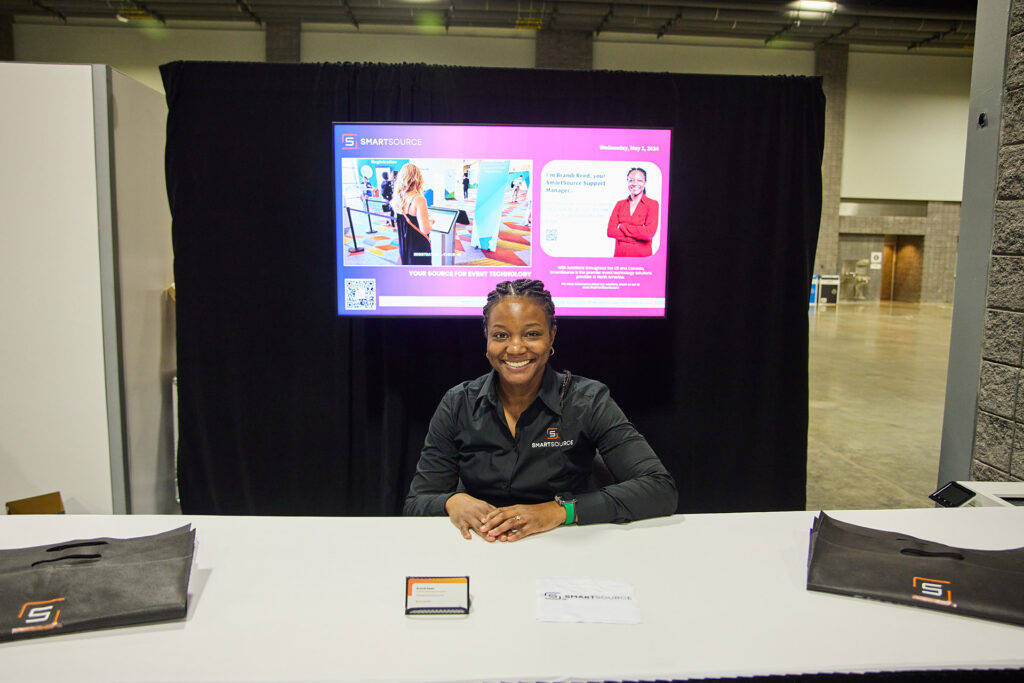
Featuring Brandi Reed – Senior Exhibitor Services Representative at SmartSource
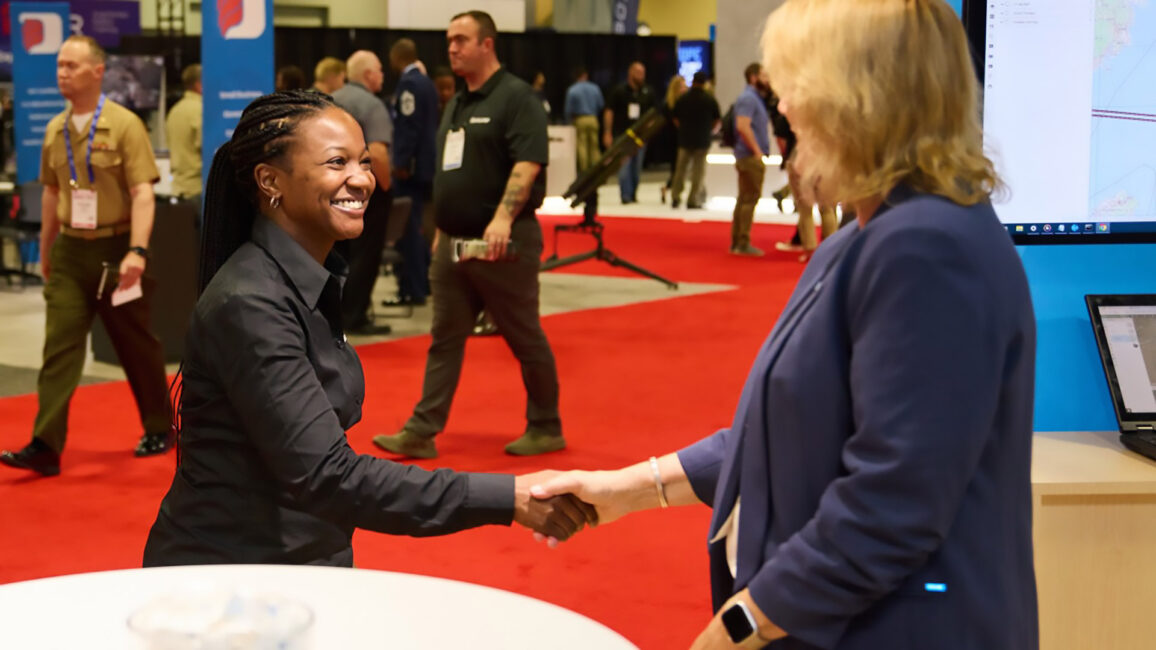
From panicked phone calls to picture-perfect booth setups, Brandi Reed manages it all. As a Senior Exhibitor Sales Representative, she’s the steady hand behind the scenes, turning exhibitor stress into show floor success. We sat down with Brandi to pull back the pipe and drape on what it really takes to support exhibitors before, during, and after every show.
What does a typical day or week look like for someone on the Exhibitor Services Team?
There really isn’t a “typical” day in Exhibitor Services. Our work follows the rhythm of the shows we support. Some days are focused on planning, building sites, checking deadlines, reviewing orders, and making sure the foundation is right. Other days are more reactive, answering exhibitor questions, solving order issues, confirming inventory, or helping the team move something forward before a deadline hits.
The best way to explain it is that we are always working ahead while also responding to what is happening right now. That balance is a big part of the role. We are here to make sure exhibitors have a clear path; the internal team has the right information, and the show is moving in the right direction.
What resources or tools do you provide to help exhibitors prepare for an event?
The ordering site is usually the main resource exhibitors use. It gives them access to available services, pricing, deadlines, and order options. But the support around the site is just as important.
We help explain deadlines, pricing tiers, service options, and what to expect onsite. We also help connect the dots between what the exhibitor is ordering and what needs to happen operationally to make it work. The goal is not just to point them to a website. The goal is to help them feel confident using it.
What’s the range of AV or technology services your team
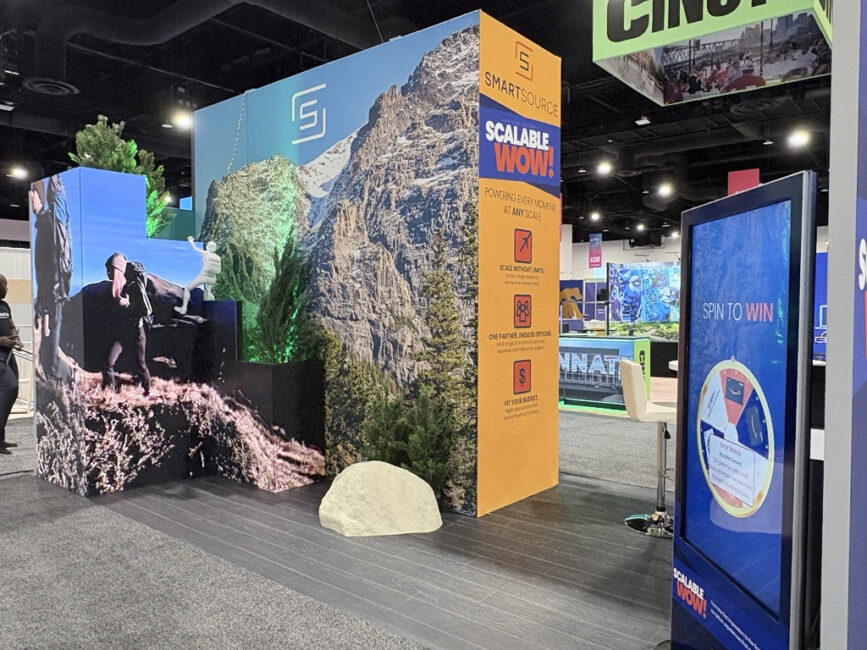
We support a wide range of exhibitor needs, from simple monitor rentals and laptops to lead retrieval apps, handheld scanners, printers, stands, and more complete booth technology setups.
Sometimes the need is very straightforward. Other times, we are helping the exhibitor think through how the equipment supports their booth experience. Are they giving a presentation? Capturing leads? Creating a product demo? Supporting a sponsorship? That context matters because the right solution depends on what they are trying to accomplish.
At what point in the event planning process do you first engage with an exhibitor?
Ideally, we engage with exhibitors as soon as the ordering site is available and the event details are ready to share. The earlier we can connect with them, the better experience they usually have because they have time to review options, ask questions, and make decisions before deadlines become pressure points.
That said, every exhibitor is different. Some come in early and already know what they need. Others reach out closer to the show when they are still figuring things out. Our job is to meet them where they are, give them the information they need, and help them feel prepared instead of being overwhelmed.
What are the most common questions or challenges exhibitors bring to you, and how do you address them?
A lot of exhibitors come to us trying to understand what they actually need for their booth. They may not know what size of monitor makes sense, whether they need a stand, how lead retrieval works, or what happens if they missed a deadline.
We try to keep the conversation practical. We listen first, ask a few clarifying questions, and then guide them toward what will work best for their booth and their goals. Exhibitors don’t always need more information. A lot of times, they just need someone to make the process feel less confusing and more manageable.
How do you handle last-minute changes or on-site needs from exhibitors?
Last-minute needs are part of the event world. The key is to stay calm, get the right information, and be honest about what is possible.
We start by checking availability and confirming with the right internal teams before anything is promised. From there, we communicate clearly with the exhibitor. If we can make it happen, we move quickly. If we cannot, we try to offer the best available alternative.
The exhibitor may not see all the coordination happening behind the scenes, but they should feel that someone is paying attention and trying to help.
What’s the most rewarding part of working with exhibitors?
The most rewarding part is seeing an exhibitor go from unsure or stressed to ready and confident. Sometimes they come to us overwhelmed, and by the time the show opens, their booth is set, their equipment is working, and they can focus on their customers.
That is the part that matters. We are not just processing orders. We are helping exhibitors show up well for moments that are important to their business. That is what makes the work meaningful.