How to Choose an Event Technology Partner: Evaluation Criteria and RFP Guide
6 minute read
Table of Contents
WHAT DOES AN EVENT TECHNOLOGY COMPANY DO?
WHAT CRITERIA SHOULD YOU LOOK FOR FROM AN EVENT TECHNOLOGY PARTNER?
Breadth of Capabilities
Audio-Visual Expertise
On-Site Support
Scalability
Transparent Pricing and Budget Alignment
Questions to Ask Your Event Technology Partner
QUICK RESULTS: WHAT SHOULD YOUR EVENT TECHNOLOGY RFP INCLUDE?
Improved Cost Control, Productivity, and Predictability
Your Event Technology RFP Should Include:
A SEAMLESS EVENT PARTNERSHIP BUILT ON RELIABILITY
It’s tough to imagine an event like a summit or conference without technical components, such as on-demand badge printing or digital signage. In fact, modern event attendees have come to expect a certain amount of tech-savvy from event planners and host organizations. With that in mind, if you’re planning an upcoming meeting of any sort, you need to start thinking early about choosing an event technology partner.
WHAT DOES AN EVENT TECHNOLOGY COMPANY DO?
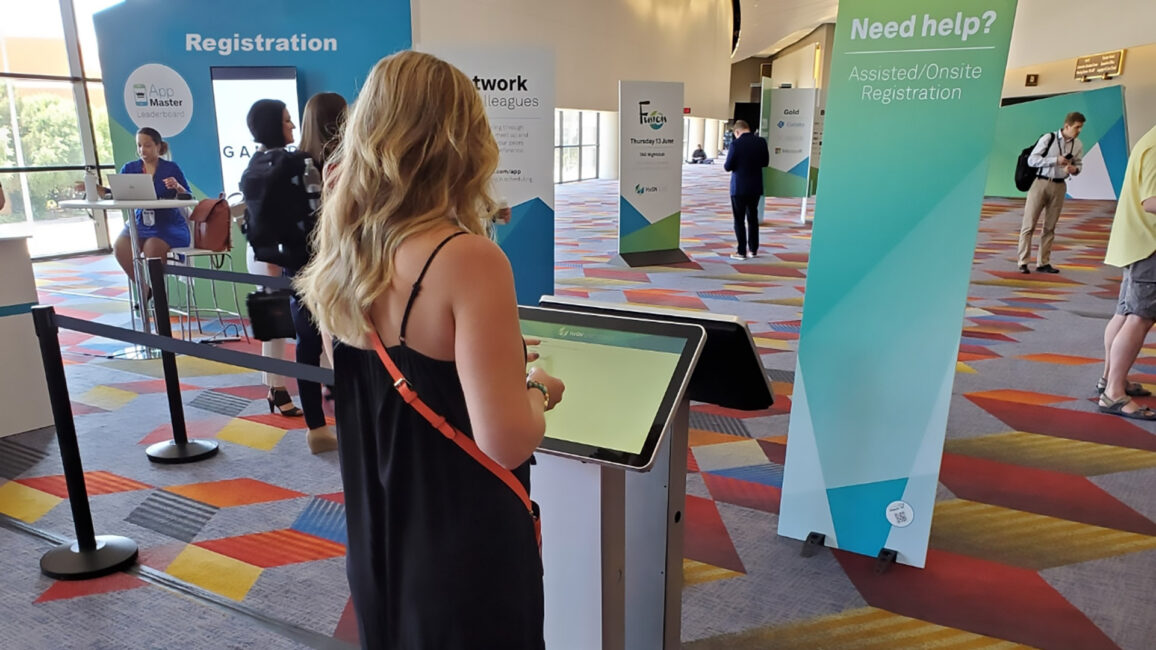
An event technology partner provides the systems, equipment, and onsite expertise required to execute modern live events. This includes solutions such as registration and badge printing, digital signage, lead retrieval, and audiovisual for general sessions, breakout rooms, and exhibit halls. Rather than relying on multiple vendors, planners often partner with a single event technology provider that can design, deploy, and support the full technology ecosystem required to run a successful event.
Event technology demands highly specific skills. After all, when you’re mapping out the framework of your event, you’ll need to find people who can assist you in bringing your vision to life by using the right systems, software, and hardware.
Ultimately, you’re looking for an event technology partner that can deliver world-class, event-focused technology services to make your event truly memorable (and profitable).
WHAT CRITERIA SHOULD YOU LOOK FOR FROM AN EVENT TECHNOLOGY PARTNER?
When you’re choosing an event technology partner, you can expect to walk through the vetting process. For instance, you might decide to send out a request for proposal (RFP) a year before your large event. When evaluating potential event technology partners, planners typically assess capabilities across several key areas.
Breadth of Capabilities
To ensure that an event technology partner can fulfill your needs, they must be able to offer turnkey services in all the technology areas you want. For example, let’s say you intend to use your attendees’ registration information for lead gathering and real-time badge printing. In that case, your preferred event technology company should be skilled in providing those technological services.
The broader the capabilities of an event technology company, the more choices you have. Plus, years of experience give your event partner the unique ability to share fresh ideas to add more interactive elements or engagement opportunities to your event.
Audio-Visual Expertise
Have you ever been to an event that had lackluster AV? Maybe the microphones just didn’t work, or the sound system was inconsistent. Either way, you probably found it difficult to pay attention and have an enjoyable, worthwhile time.
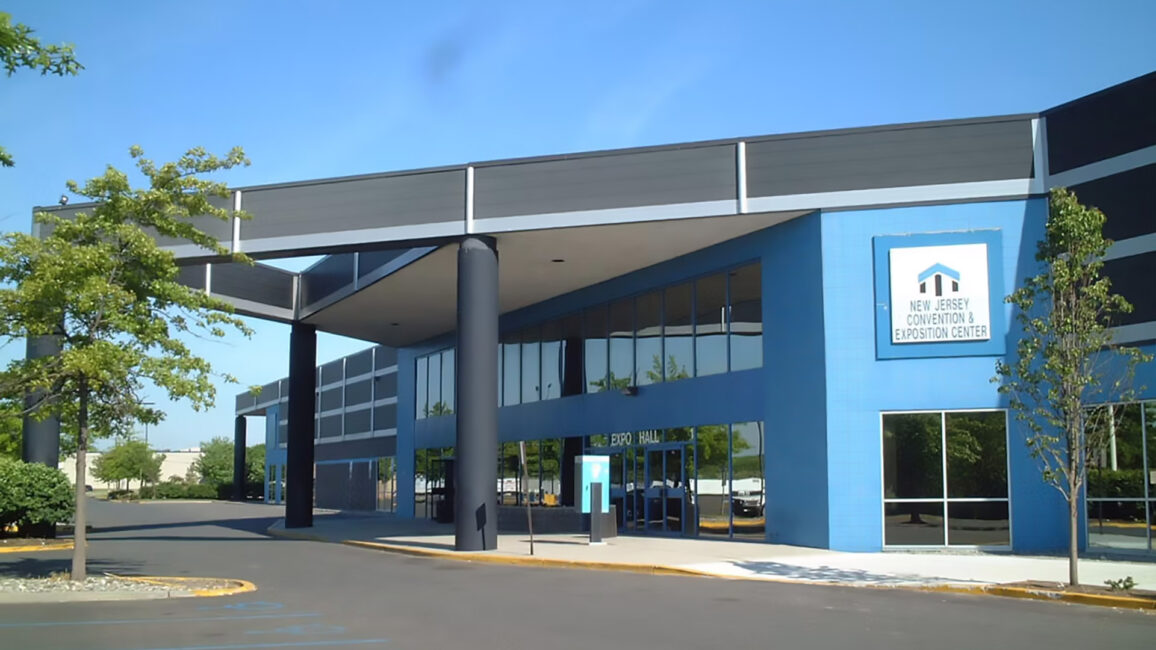
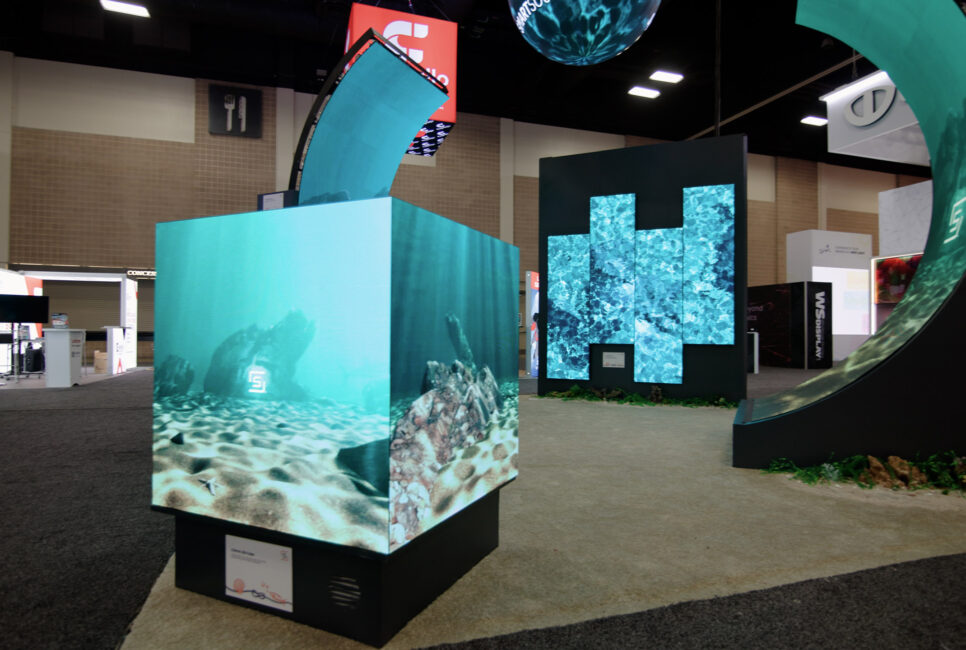
Great AV is an underrated element in events, but it’s vital, especially at a time when 64% of event attendees say they want immersive experiences. You can’t always rely on the event space provider (e.g., convention hall, hotel, and conference center) to provide excellent AV. If you do, you’re risking your event’s reputation and future.
On-Site Support
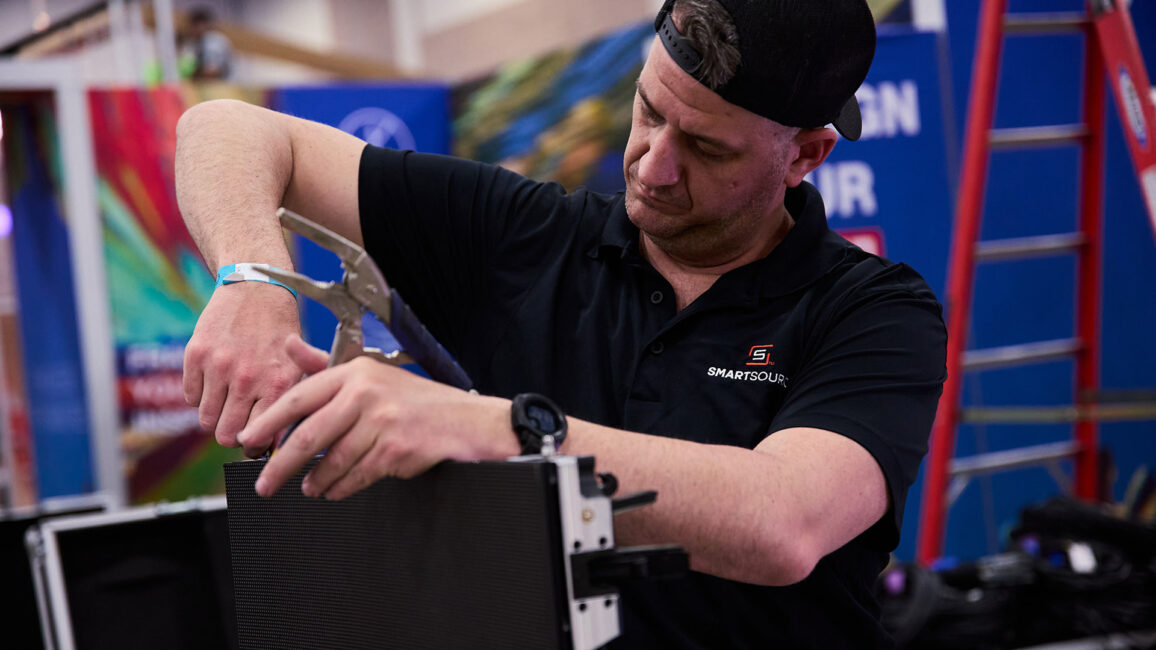
An event technology partner should be available to support your tech needs throughout your entire event. Be sure that you add this expectation to your RFP. This places the responsibility on your partner to be onsite to troubleshoot any challenges and handle all technical aspects of your event.
Scalability
This year, you may want 200 event registrations. But what if next year’s plan is to register 20,000 at a larger venue? An event technology partner that’s worked with small and mammoth events can help you scale up effortlessly.
This is why you should ask each event technology company that responds to your RFP for references and case studies. It’s critical to your success that you carefully investigate every promised service before making a final choice.
Transparent Pricing and Budget Alignment
Transparent pricing in event technology means full visibility into costs, scope, and change management before the event begins. As an event planner, you are often responsible for demonstrating ROI and justifying every line item tied to your event.
Your RFP should require detailed, line-item visibility across equipment, labor, onsite support, logistics, and project management to ensure full-stack execution is aligned from planning through delivery. It should clearly define what is included in the base scope, what qualifies as an add-on, and what variables could affect final costs.
Ask how scope changes are handled, such as increases in registration numbers, additional rooms, or expanded general sessions. A strong partner will outline a clear change-order process, require approval before executing additional work, and eliminate surprise billing after the event concludes.
Questions to Ask Your Event Technology Partner
What cost variables could impact the final invoice?
How are scope changes documented and approved?
Are there not-to-exceed thresholds or budget controls in place?
Who is responsible for monitoring budget alignment throughout the event lifecycle?
QUICK RESULTS: WHAT SHOULD YOUR EVENT TECHNOLOGY RFP INCLUDE?
Improved Cost Control, Productivity, and Predictability
Before sending an RFP to potential event technology partners, make sure it clearly outlines the key technical and operational requirements for your event. A well-prepared RFP helps vendors propose realistic solutions and accurate pricing.
Your Event Technology RFP Should Include:
Event overview and goals (type of event, expected attendee count, venue, dates)
Registration and badge printing needs (including expected check-in volume)
Audio-visual requirements for general sessions and breakout rooms
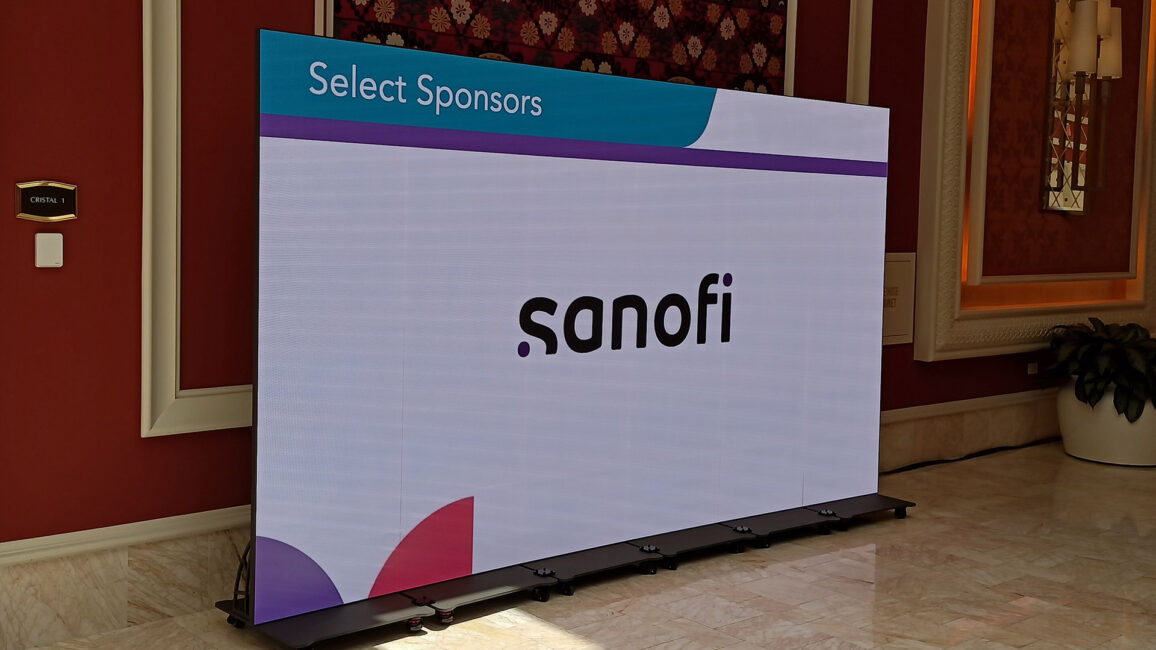
Digital signage or display technology needs for schedules, announcements, or wayfinding
On-site technical support expectations during setup, event days, and teardown
Scalability considerations if attendance or event size may grow
Budget parameters and pricing transparency expectations
A SEAMLESS EVENT PARTNERSHIP BUILT ON RELIABILITY
Overall, your event technology partner should be a seamless extension of your team. After all, you’re not just organizing an event; you’re creating a branded experience that you hope will resonate with attendees.
To learn more about all the ways that technology can transform the effect of your upcoming event, get in touch with our team. For over 40 years, we’ve helped companies fuel their creativity through event tech, maximize budgets, and give event attendees unforgettable experiences.
You can’t always rely on the event space provider (e.g., convention hall, hotel, and conference center) to provide excellent AV. If you do, you’re risking your event’s reputation and future.