Turn Queue Psychology Into Event ROI: The Hidden Cost of the Wait
7 minute read
Table of Contents
MAISTER’S EIGHT PRINCIPLES OF WAITING: APPLIED TO EVENTS
1. Unoccupied Time Feels Longer Than Occupied Time
2. Pre-process Waits Feel Longer Than In-process Waits
3. Anxiety Makes Waits Feel Longer
4. Uncertain Waits Feel Longer Than Known, Finite Waits
5. Unexplained Waits Feel Longer Than Explained Waits
6. Unfair Waits Are Longer Than Equitable Waits
7. The More Valuable the Service, the Longer the Tolerable Wait
8. Solo Waiting Feels Longer Than Group Waiting
FROM THEORY TO EVENT FLOOR
Queue Event Technology Solutions At The Floor
CONCLUSION
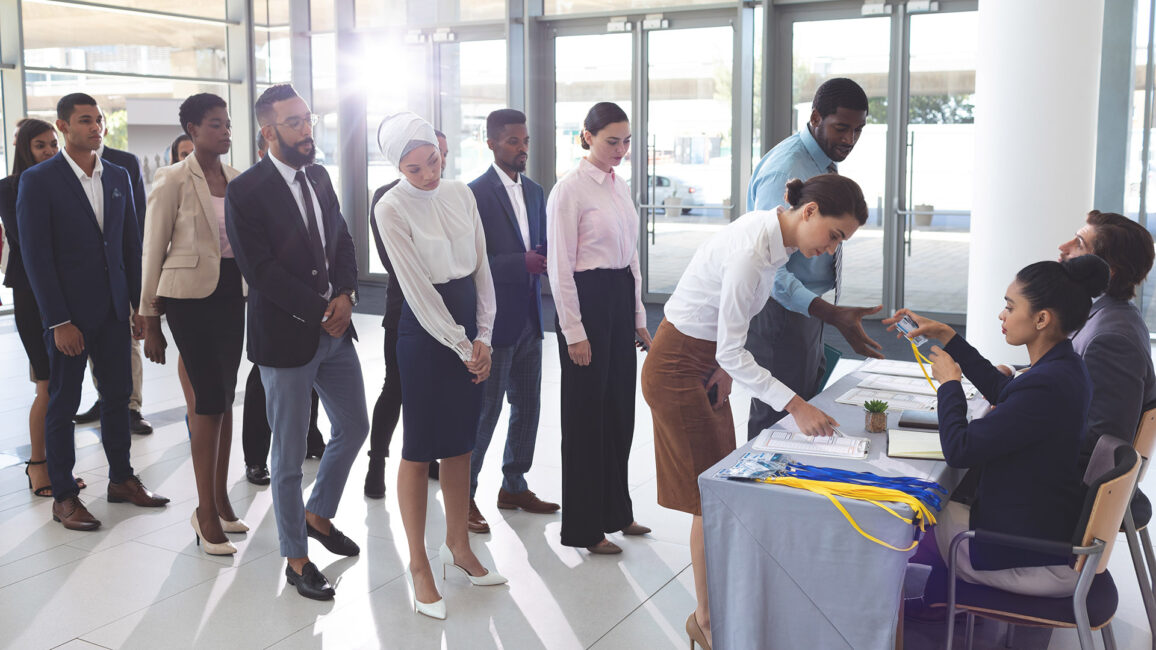
We have all experienced the problem of guests arriving at an event excited to be there, only to find a line of people extending out of the door. The first few minutes of an event set the tone for the rest of the experience. Long before the keynote speaker starts to speak or the product demo begins, attendees are forming an impression of your brand.
In a famous article from 1985, Harvard Business School professor David H. Maister explained the psychology of waiting, outlining eight principles that influence people’s experiences while waiting. These principles can help event planners transform line management from a logistical challenge into a strategic opportunity.
In this article, we will explore each of the eight principles and discuss how effective event technology can create a positive waiting experience for attendees.
MAISTER’S EIGHT PRINCIPLES OF WAITING: APPLIED TO EVENTS
1. Unoccupied Time Feels Longer Than Occupied Time
When attendees have nothing to do while waiting in line, every minute feels longer. Providing activities such as checking in, watching videos, or engaging in contests can turn what would have been a long wait into an engaging experience.
2. Pre-process Waits Feel Longer Than In-process Waits
The initial wait before checking in is often the longest. Mobile pre-registration with QR code boarding passes allows attendees to start engaging with the event as soon as they arrive, lessening the feeling of waiting and making it a part of their event experience.
3. Anxiety Makes Waits Feel Longer
Many factors contribute to the perceived length of a wait, with anxiety being the most significant. Attendees may feel uncertain about their place in line, how long they will have to wait, or whether they will arrive on time. Providing clear information about the queue and estimated wait times can greatly reduce anxiety.
4. Uncertain Waits Feel Longer Than Known, Finite Waits
Unknown wait times are often perceived as longer than finite waits. Providing real-time updates about wait times can help ease uncertainty and make the wait feel less burdensome.
5. Unexplained Waits Feel Longer Than Explained Waits
Attendees often feel frustrated by delays that aren’t explained. Simple announcements or messages detailing the reasons for delays can alleviate frustration and help attendees feel more engaged in the moment.
6. Unfair Waits Are Longer Than Equitable Waits
Perception of fairness is crucial. Attendees who feel they are being treated equitably during waits are more likely to have a positive experience. Offering different lines or access levels based on ticket types can help ensure attendees feel fairly treated.
7. The More Valuable the Service, the Longer the Tolerable Wait
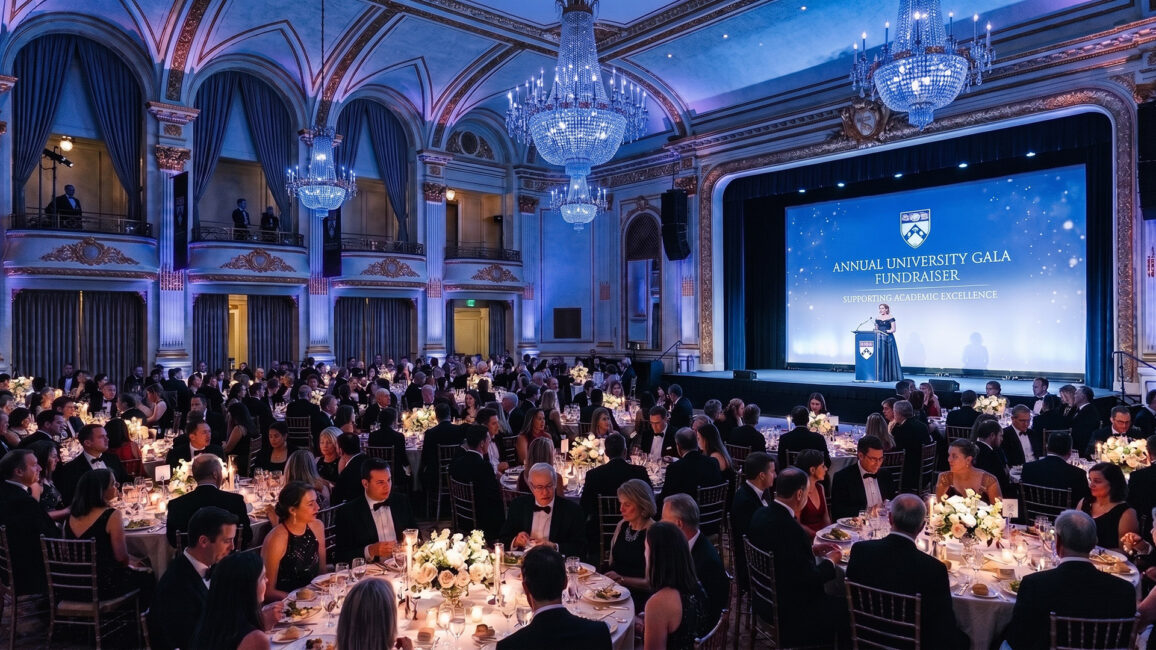
The perceived value of the service being awaited influences how long attendees are willing to wait. For instance, guests attending a high-end gala may tolerate longer waits compared to those attending a community event, based on their expectations and perceived value.
8. Solo Waiting Feels Longer Than Group Waiting
Waiting alone can feel longer than waiting in a group. Fostering an environment that encourages social interaction among attendees can help make the waiting experience more enjoyable.
FROM THEORY TO EVENT FLOOR
As demonstrated, the waiting experience can be significantly improved by implementing effective event technologies that apply these eight principles. Various solutions can be used to engage attendees during their wait, manage their experience effectively, and ultimately enhance the overall event experience.
Queue Event Technology Solutions At The Floor
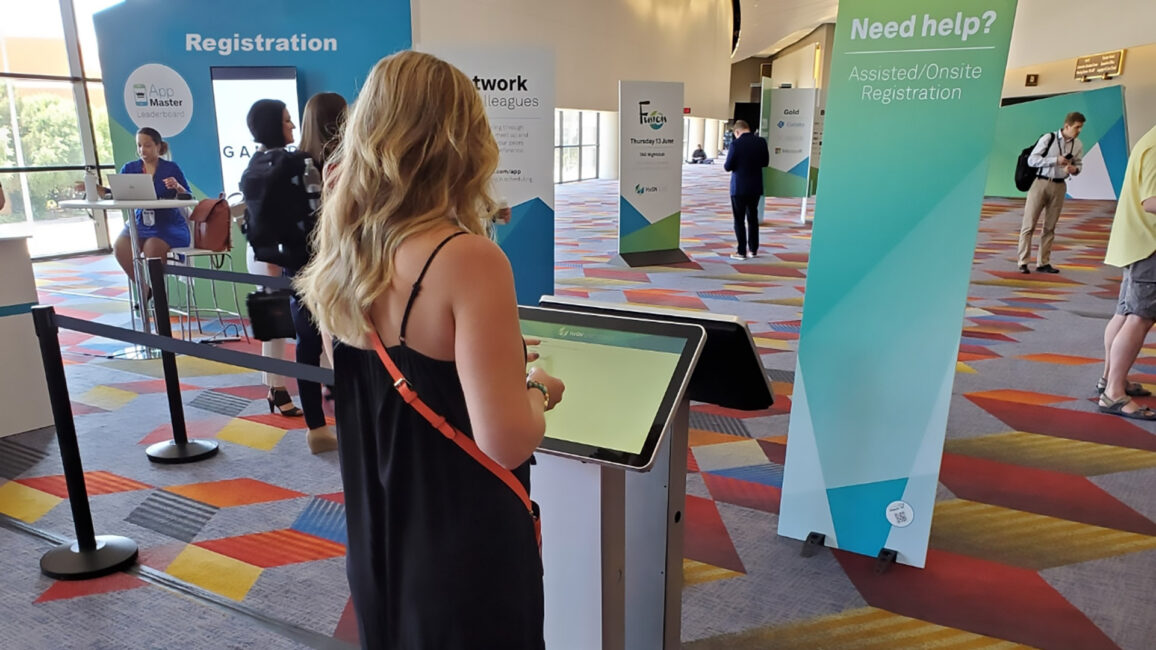
Digital Self-Service Kiosks: These can be used in order to reduce pre-process wait and to occupy attendees with activities such as checking in, and then watching videos, and downloading apps to their phones, etc. while they are waiting. The activities are designed to occupy attendees and thus to make the waiting time feel shorter. The kiosks also can increase the throughput of attendees checking in.
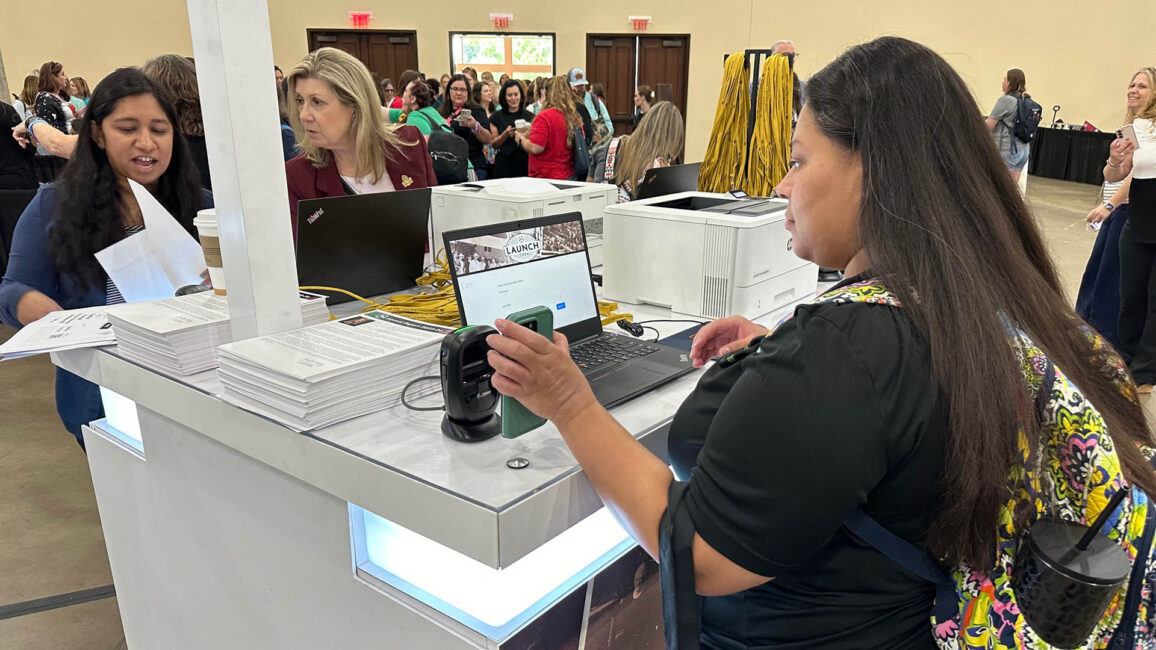
Mobile Check-In & QR Code Badging: These can be used in order to move attendees from waiting in a line of people to participating in the experience of the event as soon as they arrive on-site. The mobile pre-registration solution allows attendees to register and to receive their QR code boarding passes before they arrive on-site. The QR code badging solution uses the QR code on the boarding pass in order to grant attendees access to the event. SmartSource’s registration solutions turn the waiting line of people into a social experience.
Live Queue Analytics Dashboard: This is a real-time analytics dashboard that is used by event staff and operations managers to manage and to track attendees throughout the event. The dashboard displays real-time information regarding the queues of attendees, and also provides alerts and notifications in order to alert staff and to notify staff of any bottlenecks, etc. of attendees in the queues. The information and the alerts and notifications can be displayed through a variety of different platforms, such as event apps and digital signage, etc. The solution helps to reduce the uncertainty and the anxiety of waiting in line by giving attendees an estimated amount of time that it will take for them to get through the line.
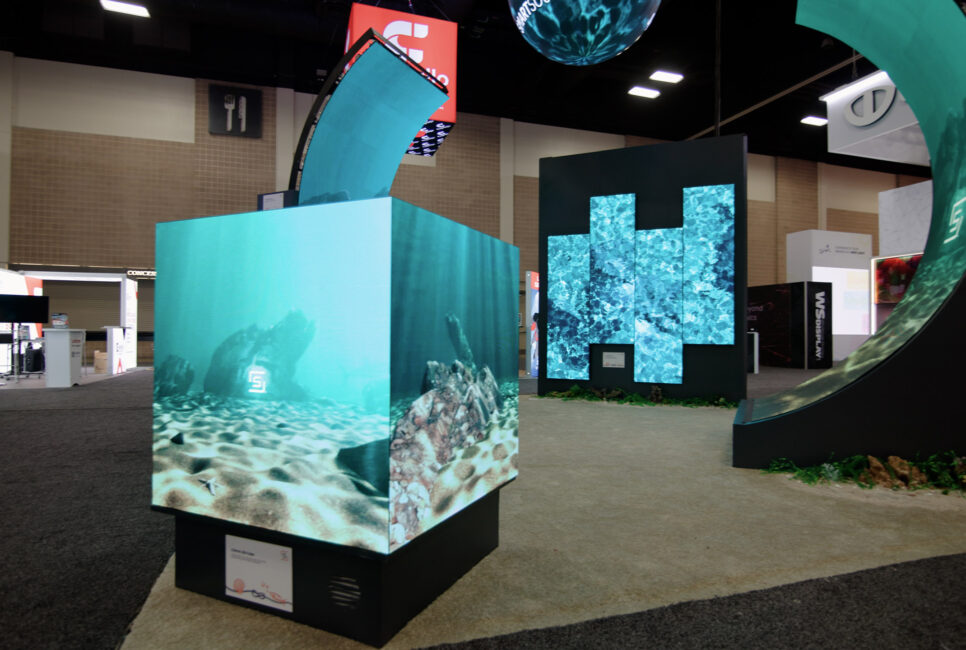
Wayfinding & Digital Signage: SmartSource’s digital signage solutions are used in order to give attendees directions to various locations throughout the event, such as to restrooms, to food and beverage locations, to activity locations, etc. The digital signage also can be used in order to give attendees information and to make announcements, etc. SmartSource’s digital signage solutions can be used in order to display information regarding the queues of attendees, such as to show the real-time length of the lines of people waiting to check in, etc. Thus, SmartSource’s digital signage solutions can be used in order to reduce the uncertainty and the anxiety of waiting in line. The solution also can be used in order to give attendees information regarding activities and events that are taking place throughout the event, etc. SmartSource’s solutions for events of all tiers, and for all types and sizes of events, are designed to turn the waiting experience into a positive experience that matches the brand promise and value of the event.
Tiered Access Management: SmartSource’s solutions for managing the flow of attendees include tiered access management solutions. These solutions can be used in order to give certain attendees access to VIP areas, etc. The solutions can be used in order to give attendees different types of access to different areas of the event, etc. The solutions help to ensure that attendees are given access to areas of the event in a manner that is fair to them.
On-Site Event Staffing Support: SmartSource’s on-site event staffing solutions are used in order to ensure that the experience of attendees at an event is of the highest quality. The staff are trained in a variety of different areas, including in the area of queue management, etc. The staff can be used in a variety of different roles, including in the role of managing the lines of people waiting to register for an event, of tracking attendees throughout an event, of helping attendees to locate various locations throughout an event, etc. Thus, the staff help to ensure that the waiting experience of attendees is a positive experience, and that the experience of attendees throughout the event is of the highest quality. The staff also can assist attendees with activities such as checking in, etc.
“Waiting is frustrating, demoralizing, agonizing, aggravating, annoying, time-consuming, and incredibly expensive.” — David H. Maister, The Psychology of Waiting Lines (1985)
CONCLUSION
The wait is not a neutral experience—it is a branded moment. Every minute your attendees spend in a poorly managed queue is a minute your brand loses equity. Every minute spent in a seamless, engaging flow is a minute your brand gains loyalty.
Ready to redesign the first impression? Contact SmartSource today to learn how our event technology solutions can eliminate the hidden cost of the wait.